
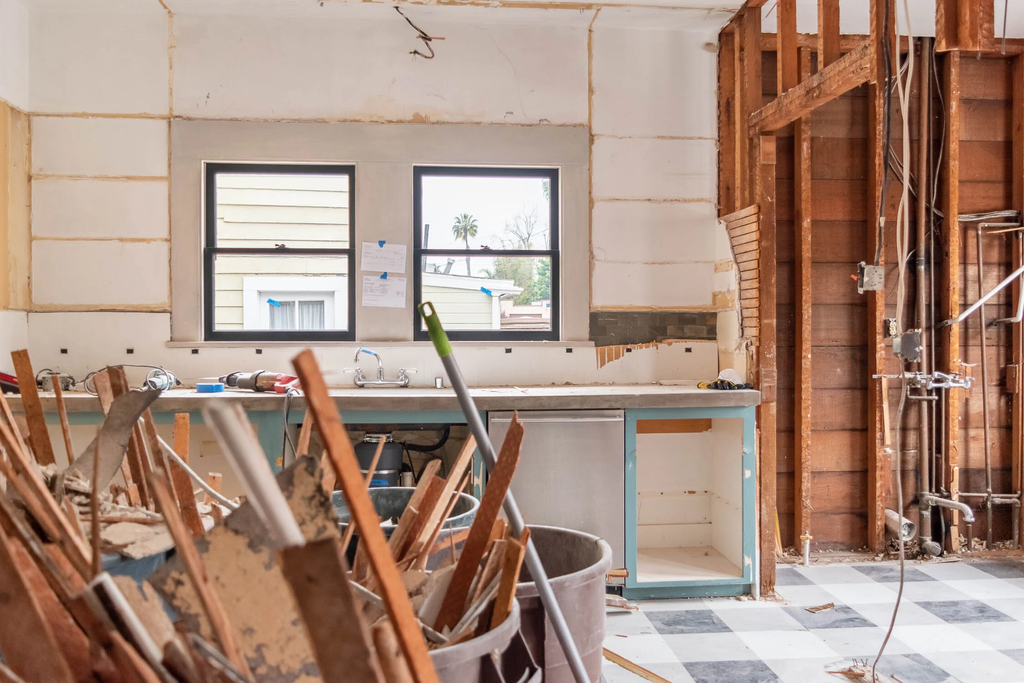
Renovating the wettest and busiest rooms in the house starts with taking the old ones out properly. Bathroom and kitchen demolition in Northern Sydney involves removing fixtures, tiles, cabinetry, linings and sometimes walls, while protecting the plumbing, wiring and structure that stay. A careful strip-out sets the standard for everything that follows.
What the Work Covers
In a bathroom, the job usually includes the vanity, toilet, shower screen, bath, wall and floor tiles, and the waterproofing beneath them. In a kitchen, it covers cabinets, benchtops, splashbacks, appliances, flooring and sometimes a non-structural wall to open up the layout. The goal is a clean, bare room that plumbers, electricians and carpenters can work in without surprises.
Why Homeowners Renovate
Common triggers include leaks, mould, cracked tiles, dated layouts and worn cabinetry. Others are preparing a home for sale or lifting its value, or reworking the space for a growing family. Opening up the walls also reveals what is hidden behind them, such as rotted framing, failed waterproofing or ageing pipes, which is far cheaper to fix now than after new finishes go in.
Before the Work Starts
Planning saves money. Confirm your design and appliance choices first, so services can be relocated correctly. Check whether any structural wall is involved, since removing a load-bearing wall needs an engineer and often council approval. In apartments, strata approval is usually required, along with set working hours and lift bookings. Photograph the rooms and adjoining areas beforehand to record their condition.
The Typical Process
A well-run job follows a clear order:
- Protect the home: cover floors, seal doorways and set up dust control.
- Isolate services: turn off water, power and gas, and have licensed trades cap them safely.
- Remove fixtures and appliances: take out the bath, vanity, toilet, cabinets and benchtops.
- Strip finishes: remove tiles, linings and old waterproofing back to the frame or slab.
- Inspect: check for rot, termite damage, leaks and hazardous materials.
- Clear and clean: sort waste, remove it and leave the room ready for the next trade.
Northern Sydney Considerations
Many homes across the Lower North Shore, the Northern Beaches and the Hills District were built before the 1990s, so asbestos is a real possibility in old tile adhesive, wall sheeting, fibro and flooring. Lead paint can also be present. Have suspect materials tested before work begins, and use a licensed removalist where required under NSW rules. Sloping blocks, narrow driveways and tight apartment access can also affect how debris is carried out, so ask your contractor how they will manage it.
Noise, Dust and Neighbours
Demolition is loud and dusty. Let neighbours know your dates, and keep to the permitted working hours set by council and strata. Good contractors use dust barriers, extraction equipment and floor protection, and they clean up daily. If you are staying at home during the work, plan a temporary kitchen setup and a second bathroom if possible.
What Affects the Cost
Pricing depends on room size, the number of layers of tiles and linings, access, and how much waste there is. Asbestos testing and removal, structural changes and waterproofing repairs add to the budget. Ask for a written quote that lists inclusions and exclusions, and keep a contingency of around 10 to 15 percent for hidden issues.
Waste and Recycling
Tiles, concrete, metals, timber and appliances can often be recycled or reused. Good cabinetry, taps and appliances may be resold or donated. Ask your contractor for a waste plan and disposal receipts, which keep you compliant and can lower tip fees.
Choosing the Right Contractor
Look for current licences, public liability insurance and a clear safety plan. Ask for photos or references from similar jobs, and read recent reviews on tidiness, communication and punctuality. A reliable contractor will explain the process plainly, protect the rest of your home and flag problems as soon as they appear.
Final Thoughts
Good renovations are built on good demolition. Plan your design first, test for hazardous materials, protect your home and choose a licensed, insured contractor. With the old rooms cleared properly, your new bathroom and kitchen can go in on a solid, dry and compliant base.


