
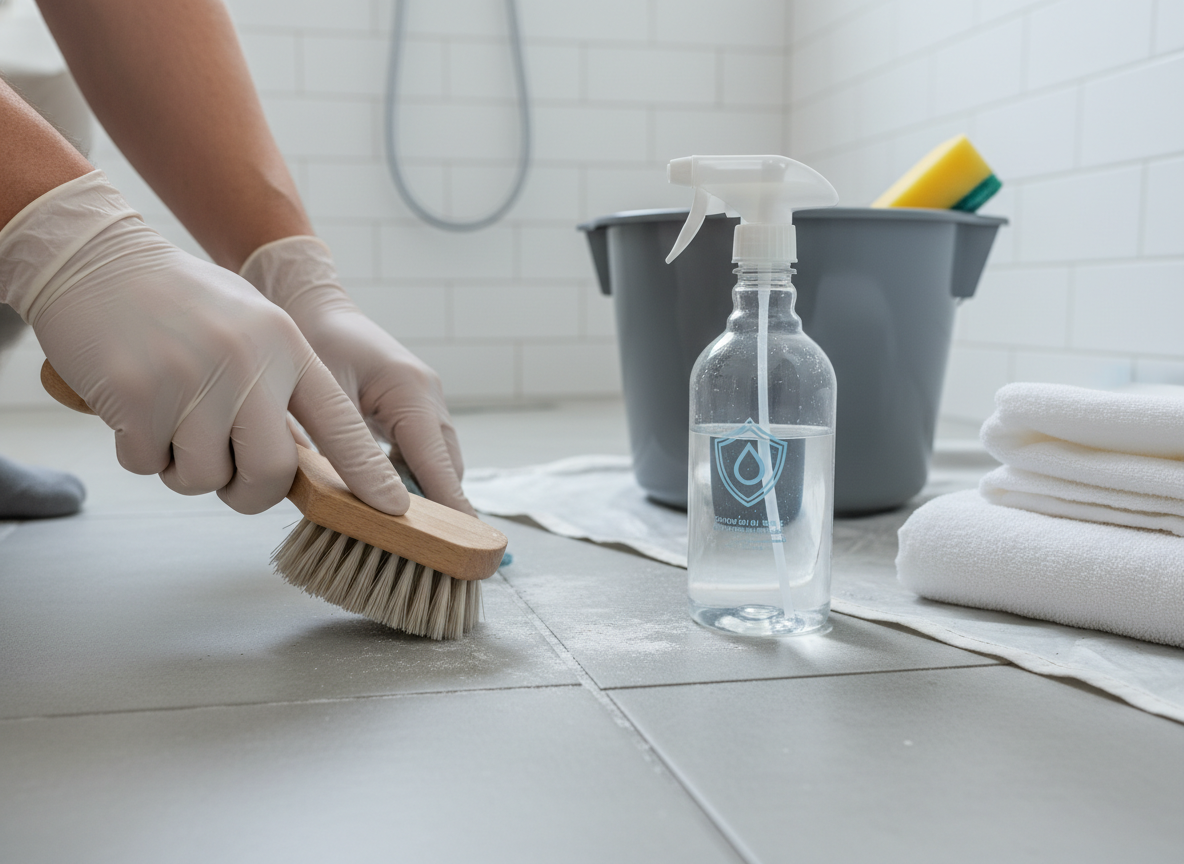
How to Stop Efflorescence in Grout and Maintain Cleaner Tiled Surfaces
White powdery residue appearing on tiled surfaces can affect both the appearance and condition of floors, walls, and bathrooms. This issue is commonly known as efflorescence and often develops when moisture carries salt deposits through grout lines. Understanding how to stop efflorescence in grout is important for maintaining cleaner surfaces and preventing recurring moisture-related problems in tiled areas.
What Causes Efflorescence in Grout?
Efflorescence forms when water moves through porous materials such as grout, concrete, or masonry. As the moisture evaporates, mineral salts are left behind on the surface.
Common causes may include:
- Excess moisture beneath tiles
- Poor waterproofing in wet areas
- Inadequate grout sealing
- Water leaks or drainage issues
- High humidity and poor ventilation
Controlling moisture is one of the most effective ways to reduce the likelihood of efflorescence returning.
Signs That Efflorescence May Be Developing
Recognising the early signs can help prevent further damage and simplify the cleaning process.
Some common indicators include:
- White chalky residue along grout lines
- Discolouration around tiled areas
- Damp or musty smells in bathrooms or kitchens
- Recurring white stains after cleaning
- Flaking or weakened grout over time
If moisture problems continue, the issue may repeatedly return even after cleaning.
Effective Ways to Stop Efflorescence in Grout
Understanding how to stop efflorescence in grout involves more than simply removing visible residue. Long-term prevention focuses on reducing moisture exposure and improving surface protection.
Helpful solutions may include:
- Repairing leaks and improving drainage
- Applying a suitable grout sealer
- Improving ventilation in wet areas
- Allowing tiled surfaces to dry properly after cleaning
- Using moisture-resistant grout products where appropriate
Addressing hidden moisture sources is often essential for preventing recurring salt deposits.
Safe Cleaning Methods for Grout Efflorescence
Cleaning efflorescence carefully can help restore the appearance of tiled surfaces without damaging the grout.
Recommended cleaning approaches may include:
- Using a dry brush to remove loose residue
- Applying mild cleaning solutions designed for tiled surfaces
- Avoiding excessive water during cleaning
- Drying the area thoroughly afterwards
Harsh cleaning methods may weaken grout or contribute to further moisture penetration.
Final Thoughts
Learning how to stop efflorescence in grout is important for maintaining cleaner tiled surfaces and preventing ongoing moisture-related issues. While removing visible residue may improve appearance temporarily, addressing the underlying moisture problem is the most effective long-term solution. With proper sealing, ventilation, and regular maintenance, tiled areas can remain cleaner, drier, and more durable over time.
