
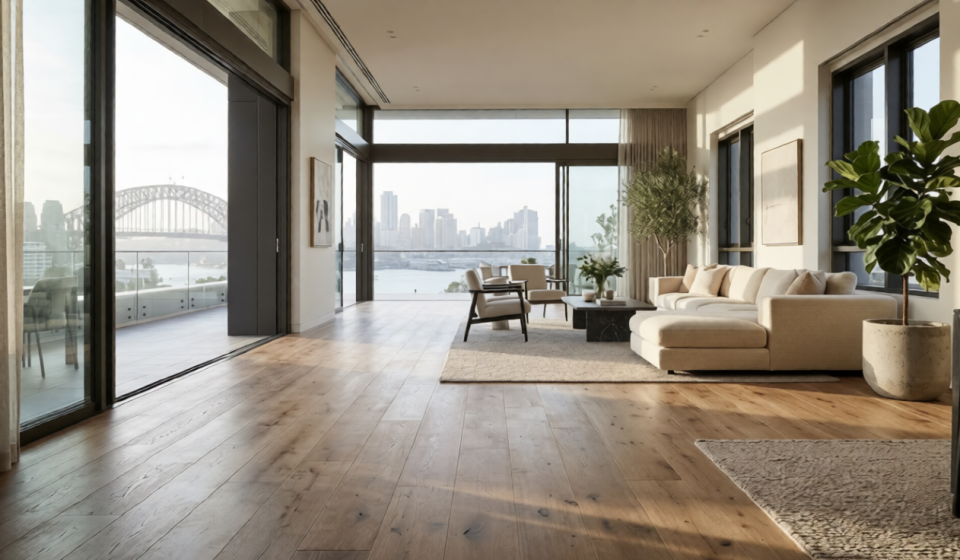
What Should You Look For When Choosing The Best Timber Flooring In Sydney?
Timber flooring is a popular choice for homeowners who want to create a warm, elegant, and welcoming living space. Its natural grain patterns, rich colours, and timeless appearance make it suitable for modern apartments, family homes, and traditional interiors. However, choosing the right flooring involves more than selecting an attractive colour. Factors such as durability, timber type, installation methods, maintenance, and budget all influence the final result.
For homeowners searching for the best timber flooring in Sydney, understanding the available options can make the decision easier. The right flooring should complement the interior design, suit the household’s lifestyle, and perform well under everyday conditions. By comparing materials and considering long-term requirements, homeowners can choose a flooring solution that offers both visual appeal and practical value.
What Are the Different Types of Timber Flooring?
Understanding the main types of timber flooring is an important first step. Each option has different characteristics, installation requirements, and maintenance needs.
Solid Timber Flooring
Solid timber flooring is made from individual pieces of natural hardwood. It offers an authentic appearance, with each board displaying its own grain and texture. Depending on the timber species and board thickness, solid timber may be sanded and refinished several times throughout its lifespan.
This flooring suits homeowners who appreciate natural materials and traditional craftsmanship. However, it can respond to changes in temperature and humidity, so proper installation and moisture management are essential.
Engineered Timber Flooring
Engineered timber flooring features a real timber surface layer attached to a stable, layered core. This construction helps reduce movement caused by changes in environmental conditions compared with many solid timber products.
It is available in a range of finishes, colours, board widths, and timber species. Engineered boards can be suitable for various residential interiors, although installation methods and compatibility with underfloor heating depend on the manufacturer’s specifications.
Hybrid and Laminate Alternatives
Hybrid and laminate flooring are alternatives for people who want a timber-inspired appearance with different performance characteristics. Hybrid products typically combine a decorative surface with a rigid core and protective layers, while laminate flooring uses a printed decorative layer.
Neither option should automatically be considered equivalent to real timber. Comparing product specifications, surface durability, moisture resistance, and warranty conditions helps homeowners identify the most suitable material.
How Do You Choose the Right Timber Species?
Timber species influence the flooring’s appearance, hardness, colour, and long-term performance. Popular Australian hardwoods include spotted gum, blackbutt, and other species selected for their distinctive grain patterns and natural tones.
Spotted gum is known for its varied grain and colour, making it suitable for interiors that need a natural feature. Blackbutt often offers lighter tones that work well in contemporary spaces. Other hardwoods may provide warmer colours or more pronounced grain patterns.
When comparing species, consider the following factors:
- Hardness: Harder timber can offer greater resistance to everyday indentation, although no timber floor is completely scratch-proof.
- Colour and grain: Choose a finish that complements the walls, furniture, cabinetry, and natural lighting.
- Maintenance: Some finishes show dust, marks, and scratches more clearly than others.
- Availability: The availability of particular timber species, grades, and board dimensions can affect cost and delivery times.
Requesting physical samples can help homeowners assess how a timber finish looks under the lighting conditions in their own homes.
What Should You Consider Before Installing Timber Flooring?
Preparation plays a major role in achieving an attractive and durable floor. Before installation begins, the existing subfloor should be inspected for uneven areas, moisture concerns, structural issues, and other conditions that could affect performance.
The subfloor must be prepared according to the flooring manufacturer’s requirements. Depending on the product, installation may involve direct fixing, gluing, or a floating-floor system. Not every method is suitable for every property or timber product.
Acclimatisation requirements also deserve attention. Some timber flooring products need time to adjust to the site’s environmental conditions before installation, while others follow different manufacturer-specific procedures. Following the supplied instructions helps minimise the risk of unwanted movement after installation.
Homeowners should also consider door clearances, transitions between rooms, skirting boards, staircases, and the direction in which the boards will run. These details influence both the finished appearance and the practicality of the installation.
How Much Does Timber Flooring Cost in Sydney?
The cost of timber flooring varies according to the selected material, timber species, board dimensions, finish, and installation complexity. Solid hardwood, engineered timber, and timber-look alternatives can have significantly different price points.
Additional expenses may include removing existing flooring, preparing the subfloor, installing underlay where required, moving furniture, trimming doors, and fitting transition profiles or skirting boards.
To compare quotes accurately, ask each flooring provider to explain what is included in the price. Confirm whether the quotation covers materials, labour, site preparation, waste removal, finishing, and any additional work that may be required.
Choosing the cheapest quote may not always deliver the best overall value. Product quality, installation experience, clear communication, and appropriate aftercare guidance should also influence the decision.
How Can You Maintain Timber Flooring?
Regular maintenance helps preserve the appearance of timber flooring and reduce avoidable damage. Simple cleaning habits can make a significant difference over time.
Sweep or vacuum the floor regularly using a suitable attachment to remove dust, dirt, and grit. These particles can act like abrasives when walked across the surface. Clean spills promptly with an appropriate cloth and avoid leaving standing water on the boards.
Use cleaning products recommended for the particular flooring finish. Excessive moisture, harsh chemicals, and abrasive cleaning equipment can damage some surfaces. Furniture pads can help prevent scratches, while entrance mats reduce the amount of dirt brought indoors.
It is also important to manage indoor conditions where possible. Timber can expand or contract as moisture levels change, so following the manufacturer’s guidance on humidity and ventilation can help reduce movement-related problems.
The maintenance requirements of an oiled floor may differ from those of a floor with a polyurethane coating. Understanding the finish before purchasing makes it easier to plan suitable care.
What Are the Benefits of Professional Timber Flooring Installation?
Professional installation can help ensure that flooring is fitted correctly and that potential issues are identified before work begins. Experienced installers can assess the subfloor, recommend appropriate preparation, and follow product-specific installation requirements.
They can also help homeowners choose suitable board sizes, finishes, and installation patterns for the property’s layout. Careful planning around doorways, adjoining surfaces, and room transitions creates a more consistent finish throughout the home.
Before engaging an installer, ask about relevant experience, product knowledge, workmanship terms, and previous projects. Request a detailed written quotation and clarify who is responsible for materials, preparation, installation, and cleaning after the work is completed.
A clear agreement helps set expectations and makes it easier to address questions during the project.
Conclusion
Choosing timber flooring involves balancing appearance, durability, installation requirements, maintenance, and budget. By comparing solid and engineered options, selecting a suitable timber species, and preparing the subfloor properly, homeowners can make a more informed investment in their property. For those considering the best timber flooring in Sydney, reviewing samples, comparing detailed quotations, and seeking advice from experienced flooring professionals can help identify a solution that suits the home and everyday lifestyle. With appropriate installation and regular care, timber flooring can remain an attractive feature of an interior for many years.