








































Skip Bin Hire Lucas Heights: A Practical Guide to Waste Management
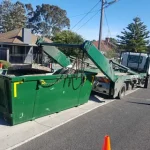
Managing waste effectively is an important part of household clean-ups, renovations, landscaping and property maintenance. When a project produces more rubbish than regular bins can handle, skip bin hire Lucas Heights can provide a practical way to collect and contain waste in one designated location. Understanding bin sizes, accepted materials and placement requirements can help make waste management more organised.
Why Use a Skip Bin?
Projects can generate waste quickly, particularly when old furniture, building materials, garden waste or unwanted household items are being removed. A skip bin provides a central container where permitted rubbish can be placed as work progresses.
Keeping waste in one location can also reduce clutter around a property. Instead of moving rubbish between different areas, materials can be placed directly into the container. This approach can make the final clean-up more manageable and help maintain a cleaner working environment.
Choosing the Appropriate Bin Size
The right bin size depends largely on the amount and type of waste a project is expected to produce. A small decluttering job may only require limited capacity, while a renovation, landscaping project or major property clean-up may generate considerably more material.
Estimating the volume of rubbish before arranging a bin can help avoid unnecessary space limitations. It is generally better to consider the full scope of the project rather than only the waste produced during its first stage. Overfilling should also be avoided, as bins usually need to remain within specified safety limits for collection and transport.
Common Projects That Generate Waste
Skip bins can be useful for many types of projects around Lucas Heights. Household clean-outs may involve unwanted furniture, boxes, packaging and general rubbish. Renovations can create timber, tiles, plasterboard and other construction materials.
Landscaping and gardening can also produce branches, leaves and other green waste. Larger property maintenance tasks may involve a mixture of different permitted materials. Because disposal rules can differ depending on the waste category, checking accepted materials before hiring a container is important.
Understanding Waste Restrictions
A standard skip bin is not suitable for every type of material. Hazardous substances, chemicals, asbestos, liquids, gas bottles, tyres and certain electronic or specialised waste may require separate disposal arrangements.
Waste acceptance policies can vary between providers, so checking the conditions before beginning a clean-up is worthwhile. If a project involves unusual or potentially hazardous materials, confirm the appropriate disposal method rather than placing them into a general-purpose container.
Planning Where the Bin Will Go
The placement of a skip bin should be considered before delivery. A suitable location needs enough space for the container and should allow the delivery vehicle to access the property safely.
Driveways and other stable surfaces are often considered when choosing a placement area, but the specific requirements depend on the site and provider. If the container needs to be positioned on a public road or other shared area, local permissions or regulations may apply.
Making Waste Management More Efficient
Good organisation can make a significant difference during a project. Sorting materials where practical and placing rubbish into the bin as work progresses can prevent waste from accumulating around the property.
It can also help to estimate how quickly the bin will fill. Projects involving demolition or large-scale clearing may produce substantial amounts of waste in a short period, while smaller clean-ups may fill a container more gradually. Planning around the expected workload can make the process easier to manage.
Environmental Considerations
Responsible waste disposal involves more than simply removing rubbish from a property. Materials that can be recycled or processed separately should be handled according to local requirements whenever possible.
Separating recyclable items before disposal can help reduce the amount of general waste requiring processing. Timber, metal, cardboard and other materials may have different recycling or disposal pathways, depending on their condition and the facilities available.
Preparing for Collection
Before a bin is collected, check that its contents comply with the provider’s requirements and that the container has not been overloaded. Keeping materials contained within the designated area helps support safe transportation.
It is also useful to keep access clear around the container on collection day. Removing vehicles, equipment or other obstacles can help ensure that the collection process can take place without unnecessary delays.
Planning Skip Bin Hire in Lucas Heights
When considering skip bin hire Lucas Heights, start by identifying the type and estimated quantity of waste your project will generate. Then consider the required bin capacity, placement location, rental period and disposal requirements.
A little planning before delivery can help prevent common issues such as insufficient capacity, unsuitable waste materials or restricted access. These considerations are particularly important for renovation, landscaping and large-scale property clean-up projects.
A Practical Approach to Waste Removal
Effective waste management can help keep residential and project areas cleaner and more organised. Whether the task involves decluttering a home, renovating a property or clearing outdoor areas, a suitable skip bin can provide a dedicated location for permitted rubbish.
By selecting an appropriate size, checking accepted materials and planning delivery and collection requirements in advance, property owners can make their clean-up more structured. Skip bin hire Lucas Heights can form part of a practical waste-management approach when a project generates more rubbish than standard household collection can accommodate.
