Hi Pot Testing Equipment: Understanding Its Role in Electrical Safety
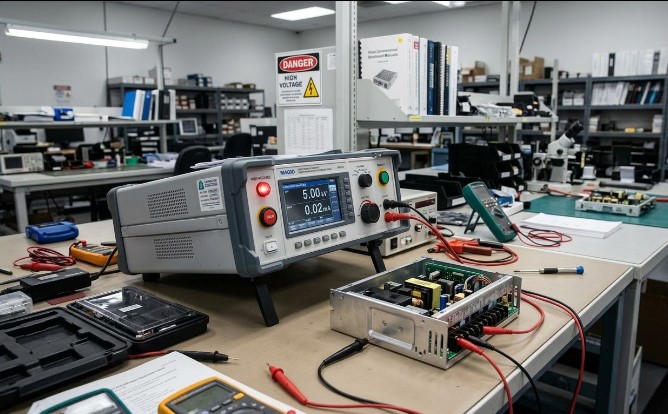
Electrical systems must be checked carefully before they are put into service, especially when insulation performance is critical. One important method used for this purpose is high potential testing, commonly known as Hi Pot testing. Hi Pot testing equipment is designed to apply a controlled high voltage to electrical insulation and help identify weaknesses that may not be visible during a normal inspection.
Understanding how this equipment works and when it is used can help technicians, engineers, and maintenance teams follow safer and more reliable testing practices.
What Is Hi Pot Testing?
Hi Pot testing, short for high potential testing, is an electrical safety test used to assess the strength of insulation. During the test, a higher-than-normal voltage is applied between suitable electrical points, such as a conductor and its insulation or ground.
The purpose is to determine whether the insulation can withstand the applied electrical stress without excessive leakage current or breakdown.
A properly conducted Hi Pot test can help identify:
- Weak or damaged insulation
- Manufacturing defects
- Electrical leakage
- Insulation deterioration
- Potential breakdown points
The test parameters depend on the equipment being tested, applicable standards, and the type of insulation involved.
How Does Hi Pot Testing Equipment Work?
The basic operation involves generating a controlled high voltage and applying it to the device or electrical system under test.
Main Testing Process
A typical testing procedure includes several important stages:
- Preparation: The equipment under test is isolated, inspected, and connected according to the testing procedure.
- Voltage application: The test voltage is gradually applied using suitable testing equipment.
- Monitoring: Leakage current and other relevant readings are observed during the test.
- Test completion: The voltage is reduced safely after the required testing period.
- Discharge: Stored electrical energy is discharged before the test object is handled.
Because high voltage is involved, appropriate safety procedures and trained personnel are essential.
Where Is Hi Pot Testing Used?
Hi Pot testing is used across different areas of electrical manufacturing, maintenance, and quality control. It can be relevant for equipment such as:
- Electrical cables
- Motors and generators
- Transformers
- Switchgear
- Control panels
- Power supplies
- Electrical assemblies
- Insulated components
Manufacturers may use the test during production and quality-control processes, while maintenance teams may use it when assessing insulation condition after repairs or during planned inspections.
Why Is Insulation Testing Important?
Electrical insulation separates conductive parts and helps prevent unintended current flow. Over time, insulation can be affected by heat, moisture, mechanical stress, contamination, ageing, or manufacturing defects.
A visual inspection alone may not reveal every insulation weakness. Electrical testing provides additional information about how insulation responds when subjected to a specified voltage.
This makes high potential testing a useful part of a broader electrical testing programme.
Choosing Suitable Testing Equipment
The appropriate testing setup depends on several factors rather than simply selecting the highest available voltage.
Key considerations include:
- Required test voltage: The equipment should support the voltage range specified for the application.
- Type of test: AC, DC, or other testing methods may be required depending on the equipment and applicable procedure.
- Measurement capability: Clear monitoring of leakage current and test conditions is important.
- Safety features: Interlocks, emergency controls, grounding arrangements, and suitable protection can improve testing safety.
- Application requirements: Cable, transformer, motor, or component testing may require different configurations.
Testing should always follow the relevant technical documentation and applicable electrical standards.
Safe Use of Hi Pot Testing Equipment
High-voltage testing requires careful preparation because the test area can contain dangerous electrical energy. Only suitably trained personnel should conduct such testing.
Before testing, the test area should be controlled, connections should be checked, and the equipment under test should be properly isolated. After the test, stored charge should be safely discharged before anyone approaches the test object.
Conclusion
Hi Pot testing equipment plays an important role in evaluating electrical insulation under controlled high-voltage conditions. By identifying insulation weaknesses, leakage, and potential breakdown issues, this type of testing can provide valuable information during manufacturing, maintenance, and quality-control processes.