









































Creating Safer And More Efficient Workspaces With Factory Line Marking
Efficient factory operations depend on clear movement routes, organised work areas and visible safety zones. For busy manufacturing environments, factory line marking helps define spaces for machinery, employees, storage, vehicles and materials while supporting a more structured workplace. Well-planned markings can also make navigation easier and improve the overall use of available floor space.
What Is Factory Line Marking?
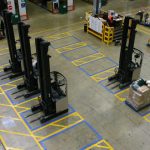
Factory line marking involves applying clearly visible lines, symbols and designated areas across manufacturing and industrial floors. These markings can be customised according to the layout, workflow and operational requirements of a facility.
Common applications include:
- Walkways for employees and visitors
- Forklift and vehicle movement routes
- Machinery and equipment zones
- Storage and material handling areas
- Loading and unloading spaces
- Emergency access routes
- Safety exclusion zones
- Pedestrian crossing points
- Workstations and production areas
Why Is Clear Floor Marking Important?
A well-organised factory floor can help employees understand where different activities should take place. Clear markings can separate pedestrian areas from vehicle routes and identify locations where materials, equipment or machinery are positioned.
Important benefits include:
- Better organisation of factory operations
- Easier identification of designated areas
- Improved visibility of pedestrian pathways
- More structured movement around machinery
- Better use of available floor space
- Clearer communication through lines and symbols
Supporting Workplace Safety
Safety is an important consideration in any manufacturing environment. Factory line marking can help highlight areas that require additional attention, such as restricted zones, forklift pathways and emergency routes.
High-visibility markings may be used to distinguish different areas and create clearer boundaries between workplace activities. Consistent colours, symbols and layouts can also make floor markings easier to understand.
Factory Marking For Warehouses And Production Areas
Factories often combine production, storage and transportation activities within the same facility. Dedicated markings can help separate these functions and create a more efficient workflow.
Production zones can be clearly outlined, while storage locations can be marked for easier identification. Vehicle routes and pedestrian walkways can also be positioned to support smoother movement throughout the facility.
Maintaining Effective Line Markings
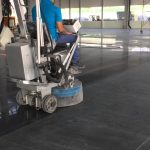
Regular maintenance helps keep markings visible and useful over time. Heavy machinery, forklifts, foot traffic, cleaning processes and general industrial activity can gradually affect floor markings.
Routine checks can help identify:
- Faded or damaged lines
- Areas with reduced visibility
- Worn safety markings
- Changes in factory layouts
- Sections requiring updated directional symbols
Keeping markings clear allows the factory floor to remain organised as operations change.
Planning A Professional Factory Marking Layout
Every manufacturing facility has different operational requirements. Floor markings should therefore be planned around machinery placement, pedestrian movement, storage requirements, vehicle access and workplace safety considerations.
A carefully designed approach to factory line marking can create clearer work zones, improve floor organisation and support more efficient day-to-day operations. With suitable planning and regular maintenance, clearly defined factory spaces can contribute to a safer and more functional industrial environment.
