Prepare Your Roof for Summer Storms with the Right Waterproofing Products
As warmer weather approaches in Australia, preparing your property for summer storms becomes an important part of seasonal maintenance. Heavy rainfall, strong winds and sudden downpours can expose existing roof weaknesses, allowing water to enter and damage ceilings, insulation and structural components. Choosing suitable waterproofing products and addressing vulnerable areas before storm season can help reduce moisture-related problems and support long-term roof protection.
Whether you own a residential property or manage a commercial building, understanding roof waterproofing requirements can help you prepare for changing weather conditions.
Why Roof Waterproofing Matters Before Summer
Australian summers can bring unpredictable weather, including intense rainfall and thunderstorms. Roofs with deteriorated coatings, damaged membranes or poorly sealed joints may struggle to prevent water penetration during these conditions.
Applying appropriate waterproofing products helps create a protective barrier against moisture. These solutions can be particularly useful for flat roofs, metal roofing, concrete surfaces and areas where water tends to collect.
Preventative maintenance also allows property owners to identify minor defects before they develop into more extensive repairs. Checking roof drainage, flashing and existing waterproofing systems is a practical starting point before summer arrives.
Essential Waterproofing Products for Roof Protection
Different roofing materials and structures require different waterproofing approaches. Selecting products according to the roof condition, surface type and exposure to weather is important for achieving suitable protection.
1. Liquid Waterproofing Membranes
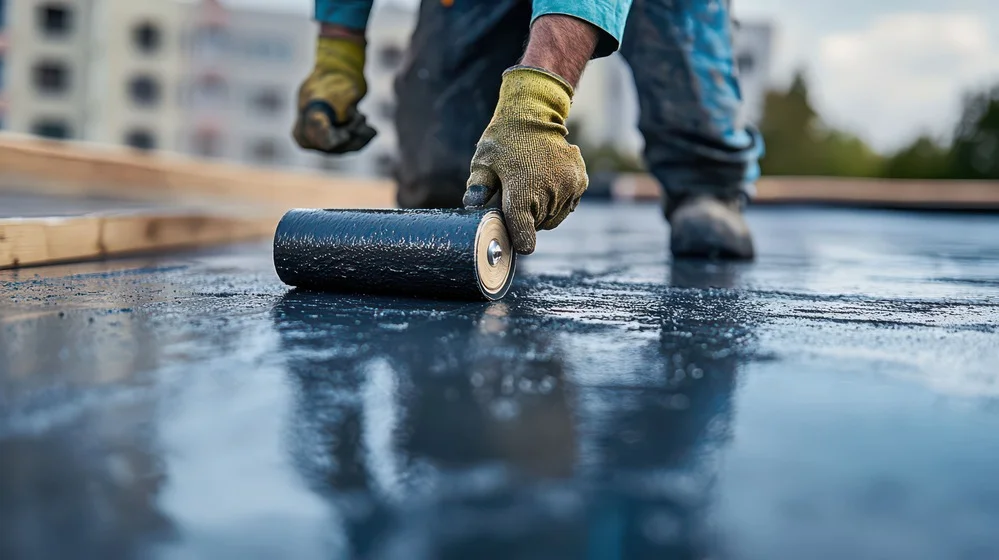
Liquid waterproofing membranes are applied directly to prepared roof surfaces, forming a continuous protective layer once cured. They are commonly used on concrete roofs, balconies and other areas requiring seamless coverage.
These waterproofing products can accommodate complex roof shapes and detailing around penetrations when installed according to manufacturer instructions.
2. Waterproofing Sealants
Roof sealants help close small gaps and joints where water may enter. They are commonly applied around flashing, roof penetrations, joints and other vulnerable connections.
Selecting a sealant compatible with the roofing material is essential, particularly where surfaces experience movement or temperature changes.
3. Protective Roof Coatings
Protective coatings provide an additional layer over suitable roofing surfaces. Depending on the formulation, they may help reduce moisture penetration and protect against environmental exposure.
Before applying these waterproofing products, inspect the existing roof coating and follow the recommended preparation requirements.
4. Waterproofing Membranes
Sheet membranes provide a physical barrier against water penetration. They are often used in suitable roofing and construction applications where consistent membrane coverage is required.
Correct installation, including appropriate overlaps and detailing, is essential to maintain waterproofing performance.
Inspect Your Roof Before Applying Waterproofing Products
Applying waterproofing materials without identifying the underlying problem may lead to recurring leaks. A thorough inspection helps determine whether the roof needs cleaning, repairs, resealing or a new waterproofing system.
Pay particular attention to:
- Cracked or deteriorated roof coatings.
- Loose or damaged flashing around roof edges.
- Blocked gutters and downpipes.
- Standing water on flat roofs.
- Gaps around vents, skylights and service penetrations.
- Visible deterioration of existing waterproofing membranes.
Addressing these issues before applying waterproofing products helps establish a suitable surface for treatment and reduces the likelihood of premature failure.
Roof inspections should be performed safely, with professional assistance where access or roof conditions present risks.
Preparing Different Roof Types for Summer Storms
Roofing materials have different maintenance requirements. Concrete roofs may need crack repairs and compatible membrane systems, while metal roofs require attention to joints, fasteners and corrosion-prone areas.
Flat roofs should be checked for drainage problems and water pooling, as prolonged standing water can place additional stress on waterproofing systems.
Choosing appropriate waterproofing products for each roof type helps ensure compatibility with the substrate and existing protective layers. Always follow product specifications regarding surface preparation, application conditions and curing times.
Common Waterproofing Mistakes to Avoid
Using unsuitable materials, applying products over dirty surfaces or ignoring existing structural damage can compromise roof protection.
Avoid applying waterproofing coatings during unsuitable weather conditions, as moisture, temperature and humidity may affect application and curing. Do not assume that covering a visible crack will resolve the underlying issue without investigating its cause.
Professional assessment can help identify suitable waterproofing products and determine whether repairs or a complete waterproofing system are required.
Conclusion
Preparing your roof before summer storms is a practical way to reduce the risk of water intrusion and moisture-related damage. Regular inspections, effective drainage maintenance and timely repairs help maintain roof condition as weather conditions change.
Selecting suitable waterproofing products, including liquid membranes, sealants, protective coatings and sheet membranes, allows property owners to address different roofing requirements. Review your roof’s condition, follow manufacturer recommendations and seek professional guidance when necessary.