
What Should You Look For In A Reliable Sheet Metal Tool Supplier?
Choosing the right tools is essential for achieving precision, efficiency, and durability in any metalworking project. Whether it’s roofing, fabrication, or construction, high-quality tools ensure better results and smoother operations. Professionals and DIY users alike depend on dependable suppliers to access tools that meet performance standards and industry requirements. A reliable sheet metal tool supplier plays a key role in delivering equipment that supports accuracy, safety, and long-term usability.
Why are sheet metal tools important in fabrication work?
Sheet metal tools are designed to cut, shape, bend, and join metal with precision. These tools are widely used in industries such as construction, automotive, and manufacturing. Proper tools allow for clean cuts, accurate measurements, and consistent shaping, which are essential for structural integrity and visual finish.
Using the right tools also reduces material waste and improves efficiency. When tools perform well, projects can be completed faster and with fewer errors. This makes them a valuable investment for both small-scale and large-scale operations.
What types of tools should a supplier offer?
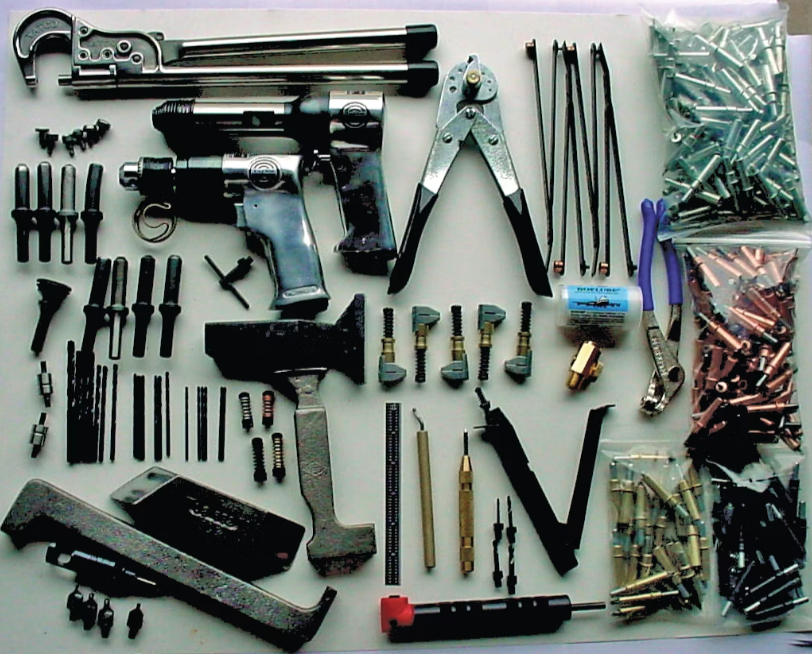
A well-established supplier should provide a wide range of tools to meet different project needs. Common categories include cutting tools, bending machines, snips, seamers, and fastening equipment. Each tool serves a specific purpose, and having access to a complete range allows professionals to handle various tasks without compromise.
In addition to basic tools, advanced equipment for precision work should also be available. This ensures that both simple and complex projects can be completed using reliable and efficient solutions. Variety in product selection reflects the capability of a supplier to support diverse customer needs.
How do you identify a trustworthy supplier?
Choosing a trustworthy supplier requires careful evaluation of product quality, experience, and customer support. A good supplier will offer tools made from durable materials that can withstand regular use. Product certifications and clear specifications are also important indicators of quality.
Experience in the industry often reflects reliability. Suppliers with a strong reputation are more likely to provide consistent products and knowledgeable advice. Customer service is equally important, as guidance and support can help in selecting the right tools for specific tasks. Many professionals prefer working with an experienced sheet metal tool supplier because of their ability to deliver dependable products and timely service.
What are the benefits of high-quality sheet metal tools?
High-quality tools provide better accuracy, which is essential for achieving professional results. They also last longer, reducing the need for frequent replacements. Durable tools can handle heavy-duty tasks without breaking or losing efficiency.
Another advantage is improved safety. Well-designed tools reduce the risk of accidents by offering better control and stability during use. Over time, investing in quality tools leads to better productivity and lower maintenance costs. These benefits make a strong case for choosing tools from reliable suppliers.
What common mistakes should be avoided when buying tools?
One common mistake is focusing only on price rather than quality. Low-cost tools may seem attractive at first but often wear out quickly or fail to deliver accurate results. Another mistake is not checking compatibility with existing equipment, which can lead to inefficiencies.
Ignoring product reviews and supplier reputation can also result in poor purchasing decisions. Buyers should take time to compare options, understand specifications, and choose tools that meet their project requirements. Proper research helps avoid unnecessary expenses and ensures better outcomes.
How can you maintain sheet metal tools for long-term use?
Regular maintenance is essential for extending the life of sheet metal tools. Cleaning tools after use helps remove dust and debris that can affect performance. Proper storage in dry conditions prevents rust and corrosion.
Lubricating moving parts ensures smooth operation and reduces wear over time. Periodic inspection helps identify minor issues before they become major problems. With consistent care, tools remain efficient and reliable for years.
Conclusion
Selecting the right tools and working with a dependable supplier are key factors in achieving high-quality metalwork results. From improved precision to long-term durability, the benefits of choosing reliable equipment are significant. By focusing on quality, variety, and supplier expertise, projects can be completed with greater efficiency and confidence.