
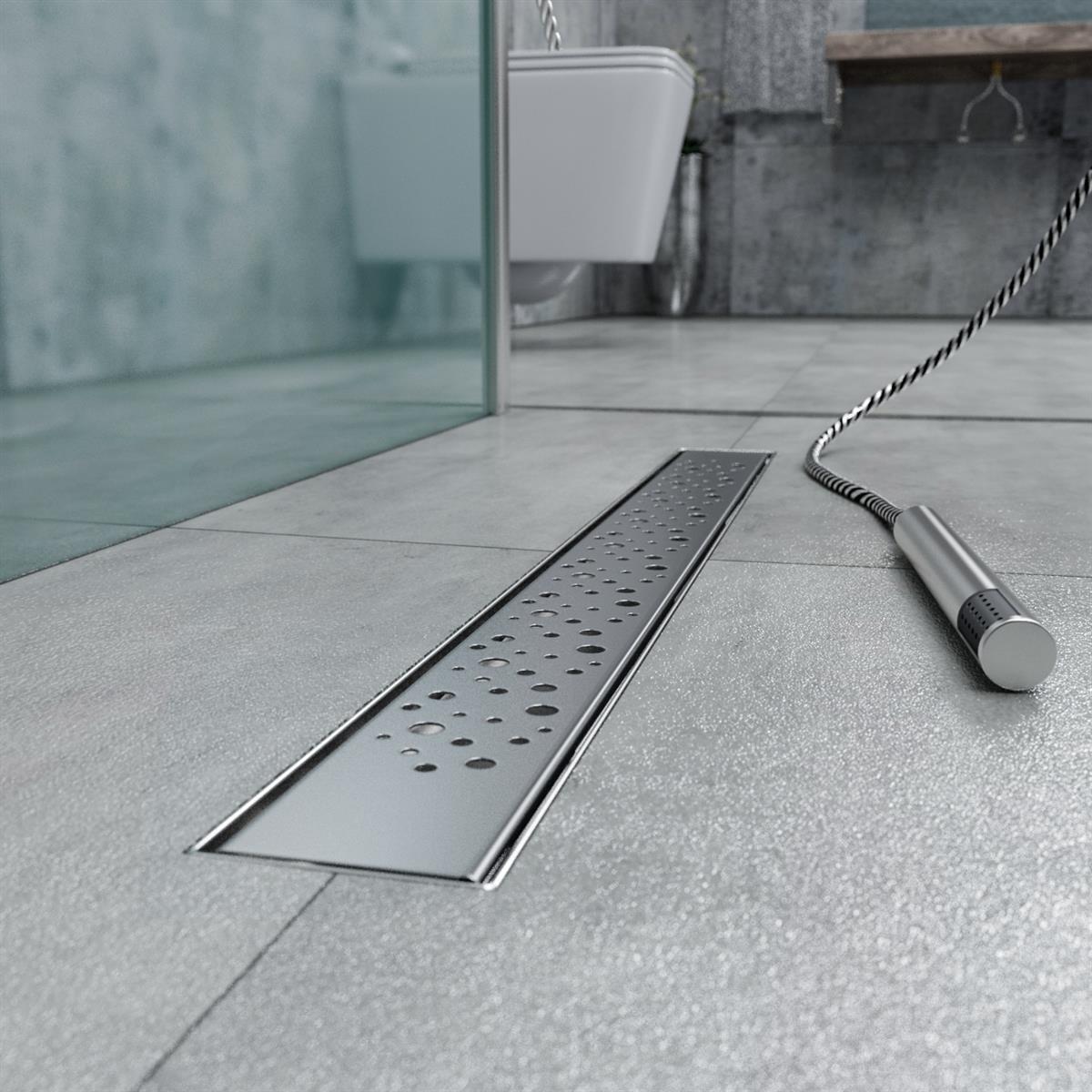
Stainless Channel Drain: Complete Guide To Durable And Efficient Drainage Systems
A stainless channel drain is a modern drainage solution designed to manage water efficiently while maintaining a clean and professional appearance. Commonly used in residential, commercial, and industrial settings, these drains are known for their durability, corrosion resistance, and sleek design.
If you are planning a construction or renovation project, understanding how stainless channel drain work and how to choose the right one can help you achieve long-lasting performance and better water management.
What Is a Stainless Channel Drain
A stainless channel drain is a linear drainage system that collects and directs water through a narrow channel covered by a grate or slot. Unlike traditional point drains, channel drains allow water to flow along the length of the system, improving efficiency and reducing the risk of pooling.
These drains are typically installed in areas where water needs to be removed quickly, such as driveways, bathrooms, commercial kitchens, and industrial floors.
Why Choose Stainless Steel Channel Drains
Stainless steel is a preferred material for channel drains because it offers excellent resistance to rust and corrosion. This makes it ideal for wet environments and areas exposed to chemicals or harsh conditions.
It is also strong and durable, capable of handling heavy loads in commercial and industrial settings. In addition, stainless steel provides a sleek and modern finish that enhances the overall look of the space.
Another key advantage is hygiene. Stainless steel is easy to clean and does not support bacterial growth, making it suitable for food processing and healthcare environments.
Types of Stainless Channel Drains
Stainless channel drains come in different designs to suit various applications.
Grated channel drains feature removable grates that allow easy access for cleaning and maintenance. These are commonly used in outdoor and industrial areas.
Slot channel drains have a narrow opening that provides a minimalist appearance while maintaining effective drainage. They are often used in architectural and commercial spaces.
Heavy-duty channel drains are designed for areas with high traffic or heavy loads, such as parking lots and warehouses.
Shower channel drains are used in bathrooms to provide efficient water flow and a modern design.
Key Benefits of Stainless Channel Drains
Stainless channel drains offer efficient water management by quickly directing water away from surfaces. This helps prevent flooding, water damage, and slippery conditions.
They are highly durable and long-lasting, reducing the need for frequent replacements. Their resistance to corrosion ensures reliable performance even in challenging environments.
The linear design simplifies installation by allowing a single slope, which is easier to achieve compared to traditional drainage systems.
They also enhance the visual appeal of spaces, especially in modern architectural designs.
Common Applications
Stainless channel drains are widely used across multiple industries and environments.
In residential settings, they are installed in bathrooms, garages, and outdoor areas. In commercial spaces such as restaurants, shopping centres, and hotels, they ensure efficient drainage while maintaining hygiene standards.
Industrial facilities use these drains to manage large volumes of water and withstand heavy machinery. They are also used in public infrastructure, including walkways, driveways, and pool decks.
How to Choose the Right Stainless Channel Drain
Choosing the right stainless channel drain involves considering several factors. Start by assessing the water flow requirements and selecting a drain size that can handle the volume.
Check the load rating to ensure the drain can support the expected traffic. For heavy-duty applications, choose reinforced designs.
Consider the grade of stainless steel. Grade 304 is suitable for most applications, while grade 316 is better for corrosive environments such as coastal areas.
Ease of installation and maintenance should also be considered. Removable grates and accessible designs make cleaning easier.
Installation Considerations
Proper installation is essential for optimal performance. The surface should be sloped correctly to guide water into the channel drain.
Waterproofing is critical to prevent leaks and structural damage. It is recommended to work with experienced professionals to ensure accurate installation.
Planning the placement of the drain during the design phase can help achieve a more efficient and visually appealing result.
Maintenance and Care Tips
Regular maintenance helps keep stainless channel drains functioning effectively. Remove debris such as dirt, leaves, and hair to prevent blockages.
Clean the surface with mild detergents to maintain the finish and avoid using abrasive materials. Periodic inspections can help identify and address issues early.
Proper care ensures long-term durability and consistent performance.
People Also Ask
What is a stainless channel drain used for?
It is used to collect and direct water in areas such as driveways, bathrooms, and industrial spaces.
Is stainless steel good for drainage systems?
Yes, it is durable, corrosion-resistant, and easy to maintain, making it ideal for drainage applications.
What is the difference between channel drains and trench drains?
They are similar, but channel drains often refer to more compact or modular systems, while trench drains are typically larger and used for heavy-duty applications.
How do you maintain a stainless channel drain
Regular cleaning, removing debris, and inspecting components help maintain performance.
Common Mistakes to Avoid
Choosing the wrong size or load rating can reduce efficiency and cause damage. Ignoring proper installation can lead to poor drainage and leaks.
Using low-quality materials may result in corrosion and increased maintenance costs. Skipping regular cleaning can cause blockages and reduce performance.
Conclusion
A stainless channel drain is a reliable and efficient solution for managing water in a wide range of applications. Its durability, modern design, and ease of maintenance make it a preferred choice for residential, commercial, and industrial projects.
By selecting the right type, ensuring proper installation, and maintaining it regularly, you can achieve long-lasting performance and a clean, professional finish in any environment.