
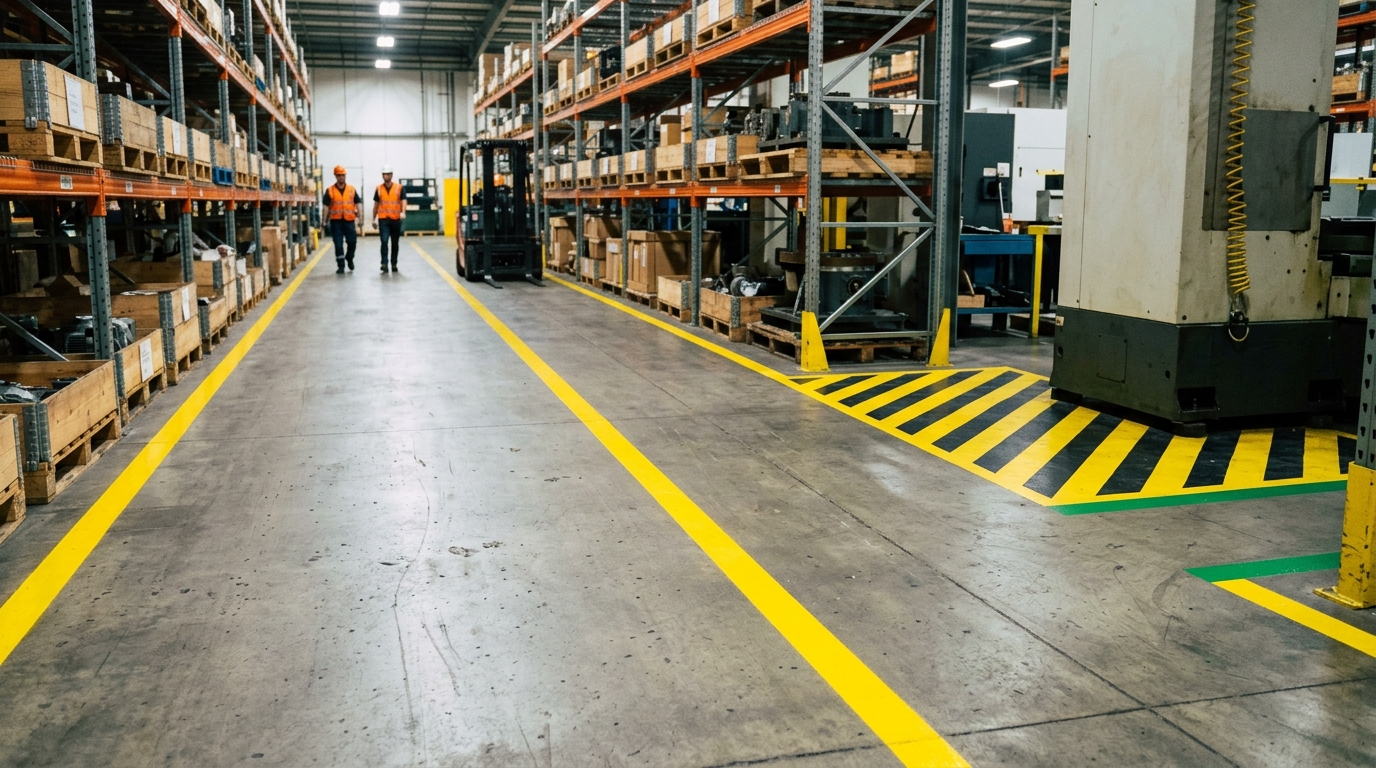
Safety Line Marking: Essential for Safe and Organised Spaces
Safety line marking is a critical element in maintaining order, reducing risks, and ensuring smooth operations in various environments. From industrial facilities to public spaces, clearly marked lines help guide movement, identify hazards, and improve overall safety.
Whether in workplaces, car parks, or warehouses, safety line marking plays a key role in protecting people and enhancing efficiency.
What Is Safety Line Marking
Safety line marking involves applying visible lines, symbols, and colour-coded indicators on floors or surfaces to communicate important safety information. These markings are designed to direct traffic, highlight restricted areas, and prevent accidents.
They are commonly used in environments where clear guidance is necessary for both pedestrians and vehicles.
Importance of Safety Line Marking
Implementing proper safety line marking provides several benefits.
- Reduces the risk of accidents and injuries
- Improves organisation and workflow
- Clearly defines walkways and work zones
- Enhances compliance with safety regulations
- Helps employees and visitors navigate spaces safely
Clear markings contribute to a safer and more efficient environment.
Common Types of Safety Line Markings
Different types of markings are used depending on the purpose.
- Pedestrian walkways for safe foot traffic
- Hazard zone markings to indicate dangerous areas
- Forklift and vehicle lanes for controlled movement
- Emergency exits and evacuation routes
- Loading and unloading zones
Each type serves a specific safety function within a facility.
Colour Coding in Safety Line Marking
Colours are used to convey different meanings in safety marking systems.
- Yellow for general caution and pathways
- Red for danger or fire-related equipment
- Green for safety equipment and exits
- Blue for mandatory instructions
- White for general markings and boundaries
Using the correct colours ensures clear communication and compliance.
Materials Used for Line Marking
The choice of materials affects durability and performance.
- Water-based paints for indoor use
- Epoxy coatings for long-lasting results
- Thermoplastic materials for high-traffic areas
- Anti-slip coatings for added safety
Selecting the right material ensures markings remain visible and effective.
Where Safety Line Marking Is Used
Safety line marking is widely applied across different industries and environments.
- Warehouses and factories
- Car parks and loading areas
- Construction sites
- Hospitals and schools
- Retail and commercial spaces
It helps maintain order and reduce confusion in busy areas.
Maintenance and Upkeep
Regular maintenance is important to keep markings effective.
- Inspect lines for wear and fading
- Reapply paint when necessary
- Clean surfaces to maintain visibility
- Use durable materials to extend lifespan
Consistent upkeep ensures long-term safety and clarity.
Tips for Effective Safety Line Marking
To achieve the best results, consider these practices.
- Plan layouts based on workflow and traffic patterns
- Use clear and consistent colour coding
- Ensure markings are highly visible
- Follow safety standards and guidelines
- Update markings as operational needs change
Proper planning leads to better safety outcomes.
Common Questions About Safety Line Marking
How long do safety markings last
Durability depends on material and traffic, but quality markings can last for years
Can markings be customised
Yes, layouts and designs can be tailored to specific needs
Is professional installation necessary
Professional services ensure accuracy, durability, and compliance
Final Thoughts
Safety line marking is an essential part of creating safe, organised, and efficient environments. By clearly defining pathways, hazards, and operational zones, it helps prevent accidents and improves overall productivity.
With proper planning, high-quality materials, and regular maintenance, safety line marking can provide long-lasting benefits for any space.