
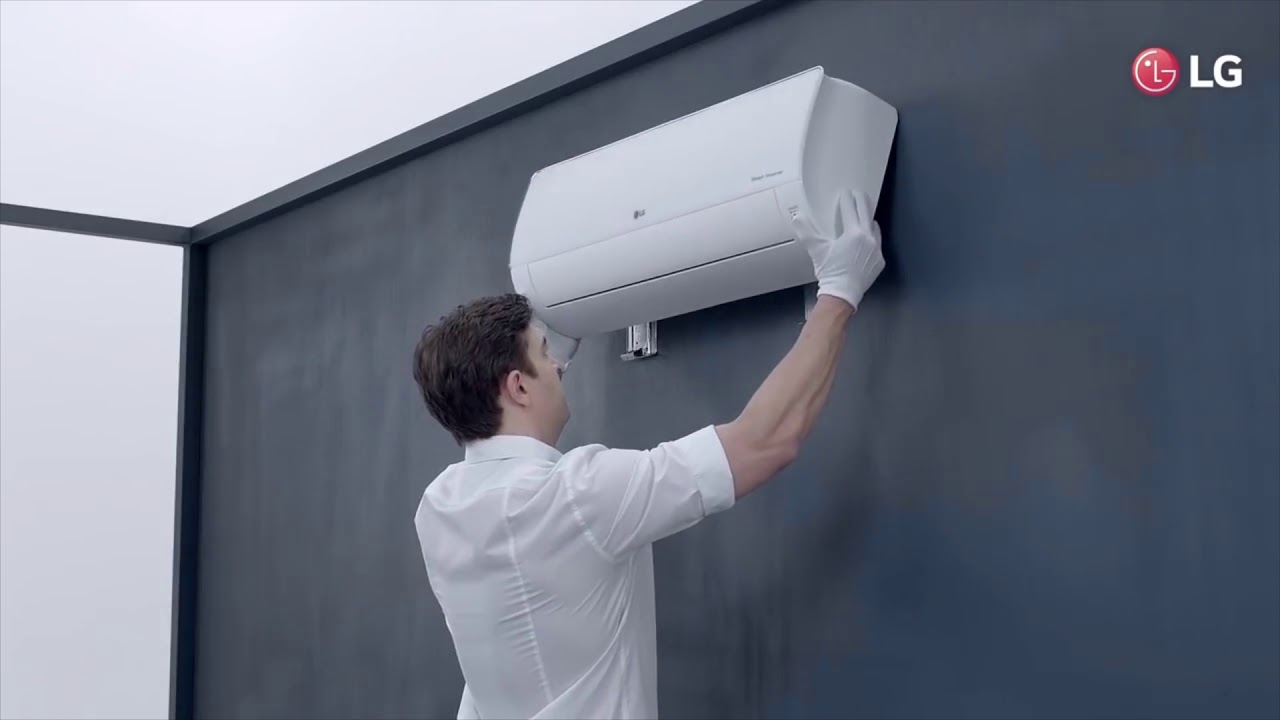
What to Know Before Getting Your Air Conditioner Installed
Choosing a new air conditioning system is only half the decision — how it’s installed matters just as much as which unit you choose. A poorly installed system, even a high-quality one, can underperform, run inefficiently, and develop problems well before its time. That’s why finding reliable air conditioner installation near you deserves just as much attention as selecting the unit itself.
Why Installation Quality Affects Everything Downstream
Air conditioning systems are engineered to operate within specific parameters — refrigerant levels, airflow rates, electrical loads, and ductwork sizing all need to align precisely for the system to perform as intended. When installation cuts corners on any of these elements, the effects show up gradually rather than immediately.
A system installed with incorrect refrigerant charge, for instance, may still cool a room initially but will run less efficiently and place unnecessary strain on the compressor over time. Poor ductwork sizing can create uneven temperatures across rooms despite a perfectly capable unit. These issues often go unnoticed until energy bills climb or the system fails prematurely.
Key Factors That Influence a Quality Installation
Several elements determine whether an installation sets a system up for long-term success:
- Correct unit sizing — matching the system’s capacity to the actual space, rather than defaulting to a generic recommendation
- Proper refrigerant charging — precise to manufacturer specifications, not approximated
- Adequate electrical supply — ensuring wiring and circuit capacity can safely support the unit’s load
- Appropriate placement — both indoor and outdoor units positioned for optimal airflow and minimal strain
- Sealed and insulated ductwork — where applicable, preventing energy loss between the system and living spaces
Common Mistakes That Shorten System Lifespan
Certain installation shortcuts tend to surface as problems further down the line:
Undersized or oversized units — an undersized system struggles constantly, while an oversized one cycles on and off excessively, both leading to premature wear.
Inadequate clearance around outdoor units — restricted airflow forces the compressor to work harder than necessary.
Skipped commissioning checks — proper installation includes testing the system under operating conditions, not just confirming it powers on.
Poor drainage setup — condensate drainage issues are a common, preventable cause of water damage and mould growth.
Why Local Expertise Makes a Genuine Difference
Climate conditions, building styles, and electrical infrastructure vary by region, and installers familiar with local conditions bring practical knowledge that generic guidance can’t replace. They understand which unit types perform best in local climate extremes, how local building standards affect ductwork and electrical work, and what common issues tend to arise in homes typical of the area.
This local familiarity often translates into fewer post-installation surprises and a system that’s genuinely suited to its environment, rather than a one-size-fits-all solution.
What to Confirm Before Booking an Installation
Before committing to an installer, a few questions help separate experienced professionals from less reliable options: whether they hold appropriate licensing for both electrical and refrigerant handling work, whether they provide a clear written quote covering the full scope of work, and whether they conduct post-installation testing as standard practice rather than an optional extra.
Getting It Right From the Start
Installation quality determines how well your air conditioner performs for years to come, regardless of how capable the unit itself is. Taking the time to find genuinely qualified air conditioner installation near you — rather than defaulting to the fastest or cheapest option — protects both your investment and your day-to-day comfort for the long haul.