
Skip to content
The Daily Blog Magazine The Daily Blog Magazine
  • Business
  • Construction
  • Health
  • Home Improvement
  • IT & Technology
  • Shopping
  • Travel
  • Others
    • Arts
    • Automotive
    • Education
    • Finance
    • News & Media
    • Lifestyle
    • Real Estate
  • Business
  • Construction
  • Health
  • Home Improvement
  • IT & Technology
  • Shopping
  • Travel
  • Others
    • Arts
    • Automotive
    • Education
    • Finance
    • News & Media
    • Lifestyle
    • Real Estate
Close

Search

Home/Chemicals/Uses Of Disinfectant Chemicals
Disinfectant Chemicals
Chemicals

Uses Of Disinfectant Chemicals

December 19, 2022 3 Min Read

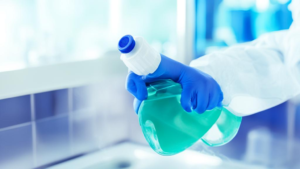
Disinfectants are chemicals that kill bacteria, viruses and fungi. They can be used in various ways to help prevent the spread of disease. Disinfectants may be liquid or solid, depending on how they are used. Disinfectants are usually made from one of two types of chemicals: either chlorine or hydrogen peroxide. These chemicals have a bleaching effect on stains, which helps remove them from fabrics and surfaces.

Categories

Disinfectants also referred to as germicides, are products that kill or inhibit the growth of microorganisms. These products are used in a variety of applications, including food processing, water treatment and dental care. Disinfectants can be divided into three main groups:

Threshold disinfectants: These detergents or surfactants are designed to kill or inhibit the growth of microbes on contact. They may also cause physical damage to the microbial cells, which results in rapid cell death.

Ozone is a powerful oxidant that attacks biological organisms by destroying their DNA. It is used in hospitals, water treatment plants and other places with a potential for microbial contamination.

Chlorine (Cl 2 ) – Chlorine (Cl 2 ) gas is an oxidising agent that destroys bacteria by attacking their cell walls and making them unable to reproduce or grow. Chlorine has minimal effect on viruses and non-living organisms such as plants and algae.

Degreaser

Degreaser is one of the disinfectant chemicals that breaks down oils, fats and greases by breaking them down into smaller molecules. It can be used on any surface that needs to be cleaned. Degreasers are used to clean grease, oil and other organic matter from surfaces such as glassware, metal appliances, plastic containers and more.

What Do They Contain?

Disinfectants kill bacteria, viruses and germs on surfaces. They’re not the same as cleaning agents or sanitisers, though they do work in tandem with them. Disinfectants are used to clean hard surfaces such as counters or floors; they don’t work on softer materials like fabrics or leather.

Disinfectant cleaners can contain one or more active ingredients that kill microorganisms (bacteria). The most common ones include alcohols like ethanol (grain alcohol) and isopropyl alcohol; quaternary ammonium compounds such as triclosan; phenolics like chloroxylenol; and chlorine dioxide gas generated when bleach reacts with water at high temperature, the same reaction that creates hydrogen peroxide when bleach is exposed to air.

Where Are They Used?

Disinfectants are used for a variety of purposes. In the food industry, disinfectant chemicals are used to produce meat, poultry and seafood. Food manufacturers use disinfectants to disinfect equipment and surfaces that come into contact with food before it is processed. Disinfectants also kill bacteria on meat as it is packaged and shipped from the factory to grocery stores. Disinfectant chemicals are used in hospitals and nursing homes to sterilise surgical instruments between patients and decontaminate rooms after cleaning. Disinfection can also be used on a patient’s skin before an operation or in a hospital room where there has been an accident so that germs do not spread from one person to another.

In the building industry, disinfectants are used to clean carpets, floors and other surfaces that come into contact with people’s feet when they enter a building. Disinfection may be needed because of poor hygiene practices by employees or visitors who have touched contaminated surfaces with their bare hands or who have touched their mouths after handling contaminated items like food or beverages left on countertops or tables for long periods of time.

Tags:

Disinfectants are chemicals
Author

Steve Smith

Follow Me
Other Articles
kitchen benchtop installation
Previous

Here Are The Topmost Takeaways From Kitchen Benchtop Installation

aluminium windows in Sydney
Next

Tips For Maintaining Aluminium Windows

Recent Posts

  • Epoxy Flooring in Surrey Hills: Modern Flooring Solutions, Benefits and Costs
  • From Year-End to Lodgement: A Step-by-Step Walkthrough for Company Directors
  • Pizza Caterers in Port Kembla: Bringing Fresh Flavours to Every Occasion
  • From Blank Canvas to Crowd Magnet: Planning Your Own Branded Shelter
  • How to Find the Right Dentist in Doreen for Your Dental Needs
  • Connecting Inside to Outside: What Every Homeowner Should Know Before Choosing Patio Doors
  • Electrical Measurements and Measuring Instruments: A Clear Guide for Students and Technicians
  • What Should You Look For When Choosing The Best Timber Flooring In Sydney?
  • Ink, Lore and Magic: A Family-Friendly Path into a Brand-New Card Game
  • Construction Site Caravans For Hire For Flexible Site Facilities
  • Glass Frosting in Mascot: Balancing Privacy, Branding and Natural Light
  • Bathroom and Kitchen Demolition in Northern Sydney: A Practical Guide
  • Frameless Shower Screen: A Modern Choice for Bathroom Design
  • What Makes The Best Container Shipping Companies Stand Out?
  • House Facade Cladding in Sydney: Enhance Your Home’s Exterior
  • How Can You Choose Cheap Machinery Hire In Sydney?
  • Why Is Aluminium Pool Fencing A Practical Choice?
  • Your Guide to a Smooth Move in Sydney’s North-West
  • Bluetooth Battery Monitor for RVs, Caravans and Camping: What to Know
  • Prepare Your Roof for Summer Storms with the Right Waterproofing Products
  • Concrete Polishing Vermont: A Guide to Durable and Refined Floors
  • How Can Luxury Bathrooms In Bondi Transform Your Space?
  • When Do You Need Deep Fitted Sheets for Your Mattress?
  • Mobile Tyre Service in Glenfield: A Simple Solution for Tyre Repairs and Replacements
  • More Flexibility, Less Hassle: Why Long Term Car Rental Is the Smarter Choice for Many Drivers
  • What Should You Consider When Choosing Architectural Cabinet Handles?
  • Natural Handmade Soap in Australia: A Thoughtful Choice for Everyday Skin Care
  • Finding The Right Support Through A Mental Health Clinic Penrith
  • BFSI Solutions: How Financial Institutions Are Modernizing at Scale
  • Exploring Mystery And Adventure With Coriolis The Great Dark
  • Your Guide to Choosing a Deutz Dealer
  • How Can Brick Pointing Repair Protect Your Property?
  • Hi Pot Testing Equipment: Understanding Its Role in Electrical Safety
  • Keeping Strata Properties In Better Condition With Strata Building Repairs & Maintenance Sydney
  • What Should You Know Before Buying Used Cars In Parramatta?
  • How Can A Smart Toilet In Sydney Improve A Modern Bathroom?
  • A Practical Guide To Choosing Products When You Drainage Shop Online
  • Making Better Tyre Choices With Tyresave Medina
  • Planning A Better Floor Finish With Flooring Installation Sydney
  • Activated Brazil Nuts vs Raw Brazil Nuts: Which Should You Choose?
  • How Can Security Guards In Blacktown Improve Safety?
  • Skip Bin Hire Lucas Heights: A Practical Guide to Waste Management
  • A Guide to Choosing Wall and Ceiling Finishes for a New Vaucluse Home
  • From Alfresco Dining to Outdoor Billiards: Rethinking the Australian Backyard
  • How Can A Dentist In Glebe Help Maintain Better Oral Health?
  • Foundation Solutions For Restricted Sites With Hand Piling Bondi
  • Creating Safer And More Efficient Workspaces With Factory Line Marking
  • How Can A Decorative Concrete Sealer Protect Outdoor Surfaces?
  • Fire Rated Steel Columns: Understanding Their Role in Building Safety
  • How Can Telehandler Hire In Sydney Improve Site Efficiency?
  • Minichamps Model Cars: A Guide for Diecast Collectors

Categories

Copyright 2026 — The Daily Blog Magazine. All rights reserved. Blogsy WordPress Theme