
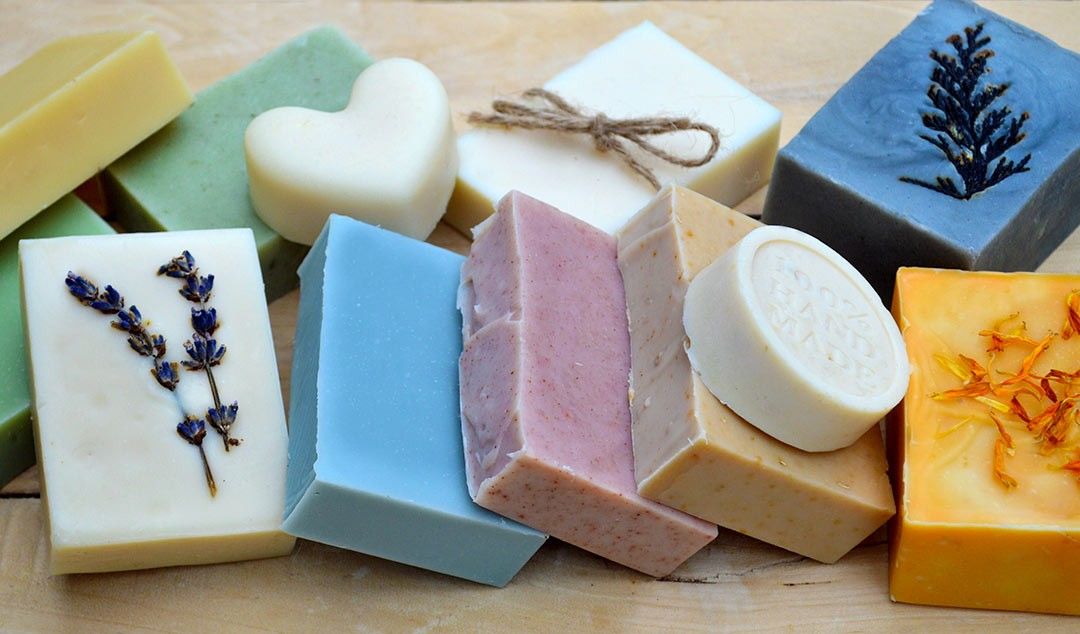
Natural Handmade Soap in Australia: A Thoughtful Choice for Everyday Skin Care
The products used during a daily shower or handwashing routine can influence how the skin feels afterwards. Some people prefer simpler formulations and ingredients that are easy to understand, particularly when choosing products for regular use. Exploring natural handmade soap in Australia can be a way to discover traditionally crafted soap options that focus on carefully selected ingredients and small-batch production.
Handmade soaps can vary considerably in formulation, texture, scent and appearance, so understanding what goes into them can help shoppers make a more informed choice.
What Makes Handmade Soap Different?
Handmade soap is generally produced in smaller batches rather than through large-scale manufacturing processes. This allows makers to pay close attention to individual batches and experiment with different oils, butters, botanical ingredients and fragrances.
Because of this production method, handmade bars may have slight variations in colour, shape or texture. These differences are often a natural result of the crafting process rather than a sign of inconsistency.
Why Look at Natural Ingredients?
Natural ingredients can appeal to people who prefer straightforward skincare products. Common ingredients found in handmade soap may include plant oils, botanical extracts, clays and naturally derived fragrances.
Plant-Based Oils and Butters
Ingredients such as olive oil, coconut oil, shea butter and other plant-based oils can contribute to the texture and cleansing characteristics of a soap bar. Each oil has its own properties, so the final formulation depends on how ingredients are combined.
Botanical Additions
Herbs, flowers and plant extracts may be included for their appearance, scent or formulation properties. However, “natural” does not automatically mean suitable for everyone, so individual sensitivities should still be considered.
What Should You Look for When Choosing a Soap?
Reading the ingredient list is one of the simplest ways to understand what you are purchasing. Instead of relying only on product descriptions, shoppers can consider the complete formulation.
Useful factors to check include:
- Ingredient transparency: Look for a clearly listed set of ingredients.
- Skin preferences: Consider whether your skin tends to feel dry, oily or sensitive.
- Fragrance: Choose scented or unscented products according to personal preference.
- Soap-making method: Look for information about how the soap is produced.
- Packaging: Minimal or recyclable packaging may appeal to shoppers trying to reduce unnecessary waste.
- Storage instructions: Handmade soap can benefit from being kept dry between uses.
How Does Handmade Soap Fit Into an Everyday Routine?
A soap bar needs to work comfortably with the way it is used. A moisturising formulation may be preferred for a dry-feeling skin routine, while a lighter cleansing bar may suit someone who prefers a different texture.
Using a soap dish that allows water to drain away can also help the bar last longer. Allowing it to dry between uses reduces the amount of soap that becomes soft and dissolves unnecessarily.
Are Natural Soaps Suitable for Everyone?
Not necessarily. Skin can react differently to individual ingredients, including essential oils, botanical extracts and fragrances. People with sensitive skin may prefer simpler, fragrance-free formulations and should check the ingredient list carefully.
It is also useful to introduce a new skincare product gradually rather than assuming that every natural ingredient will suit your skin.
Why Handmade Products Can Feel More Personal
Small-batch products often have a distinct character. Variations in colour, scent and texture can make individual bars feel different from mass-produced alternatives.
For shoppers interested in natural handmade soap in Australia, this small-batch quality can also make everyday personal care feel more considered. Instead of choosing a product based only on branding or appearance, shoppers can pay attention to its ingredients, production approach and suitability for their routine.
Making a More Informed Choice
Natural skincare does not need to be complicated. Understanding the ingredients, checking your personal skin preferences and choosing products that fit your daily routine can make the selection process easier.
A good soap should feel comfortable to use and work well with the rest of your skincare habits. Paying attention to formulation rather than simply the word “natural” can lead to more suitable choices.
Conclusion
Handmade soap offers an alternative to mass-produced cleansing products, with many formulations featuring plant oils, botanical ingredients and small-batch production methods. For people exploring natural handmade soap in Australia, checking ingredients, considering individual skin needs and storing the bar correctly can help create a more enjoyable and practical everyday skincare routine.