Concrete Polishing Vermont: A Guide to Durable and Refined Floors
Concrete flooring is valued for its strength, versatility and ability to suit a wide range of residential, commercial and industrial environments. Over time, however, untreated concrete can develop surface marks, uneven areas, stains and a dull appearance. Concrete polishing Vermont offers a practical way to refine existing concrete surfaces through a controlled process of grinding and polishing, creating a smoother and more consistent finish without necessarily replacing the underlying floor.
What Is Concrete Polishing?
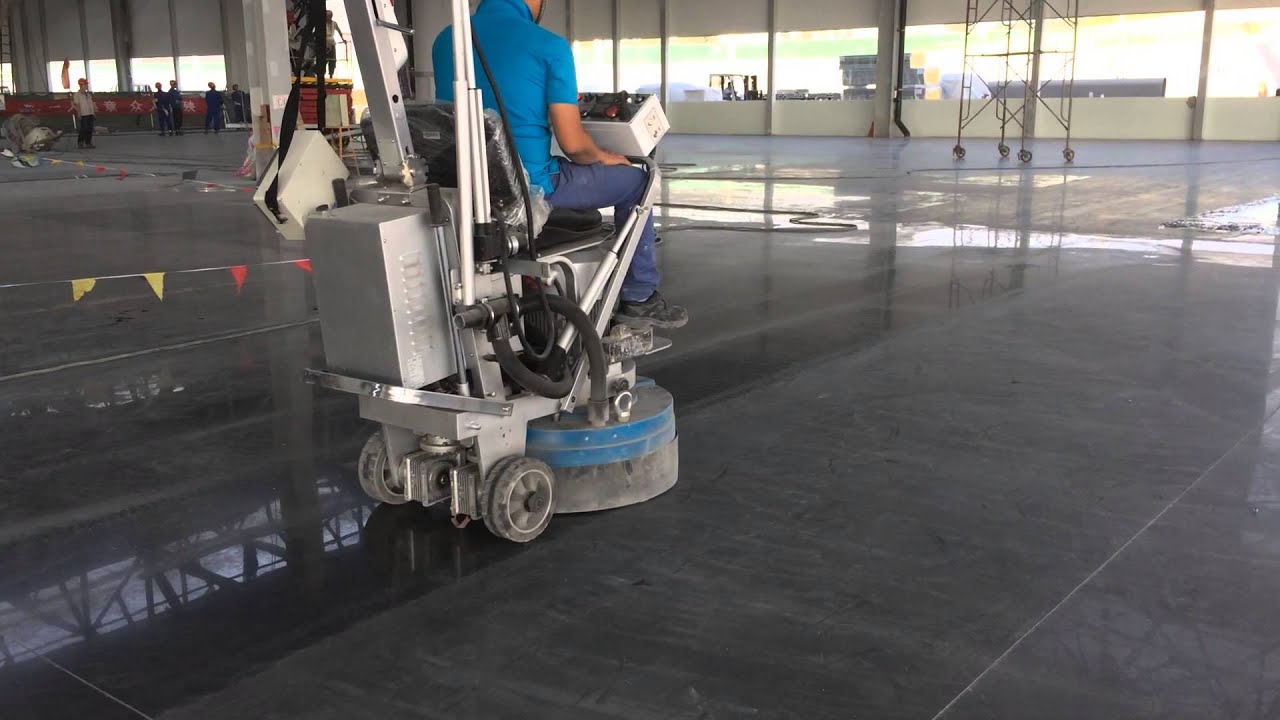
Concrete polishing is a mechanical surface-finishing process that uses specialised equipment and diamond abrasive tooling to progressively refine concrete. Instead of covering the floor with a separate material, the process works with the existing concrete surface.
The floor is generally treated through several stages, beginning with more aggressive tooling to remove imperfections and gradually moving to finer abrasives. Each stage reduces the marks created by the previous stage, helping create a smoother and more refined surface.
The final appearance can vary depending on the concrete condition, aggregate exposure, polishing stages and level of sheen selected for the project.
How Does the Polishing Process Work?
The first step is usually an assessment of the existing concrete. Professionals may examine cracks, stains, previous coatings, uneven areas and other surface conditions before deciding how the floor should be prepared.
Initial grinding can remove unwanted surface material and help create a more uniform base. Once the surface has been prepared, progressively finer diamond abrasives are used to refine the concrete. The number of stages depends on the desired finish and the condition of the floor.
In some projects, additional treatments may be considered to help improve surface performance and simplify ongoing maintenance. Proper preparation is particularly important because existing damage or contamination can influence the finished result.
Benefits of Polished Concrete Floors
One of the main benefits of polished concrete is its combination of functionality and appearance. A properly polished floor can provide a clean, contemporary look while retaining the inherent strength of concrete.
The smoother surface can also make routine cleaning easier by reducing rough areas where dust and debris can collect. This can be particularly useful in commercial environments with regular foot traffic.
Another advantage is versatility. Polished concrete can complement modern interiors, industrial spaces, retail environments and selected residential settings. Different polishing levels can produce different degrees of sheen, allowing the finish to be selected according to the property’s requirements.
Where Is Concrete Polishing Suitable?
Polished concrete can be considered for warehouses, offices, retail stores, showrooms, workshops, garages and residential areas. Each environment has different flooring requirements.
Commercial spaces may prioritise durability and ease of maintenance, while residential projects may place greater emphasis on appearance and integration with the surrounding interior design. Industrial applications can require additional consideration because heavy equipment, vehicle movement and high traffic can place greater demands on the floor.
Before beginning a project, the existing slab should be evaluated to determine whether it is suitable for polishing and what preparation may be required.
Choosing the Right Level of Finish
Concrete polishing is not limited to one standard appearance. The final finish can range from a relatively subtle sheen to a highly reflective surface, depending on the polishing process.
Factors such as lighting, foot traffic, intended use and interior design can influence the preferred finish. Aggregate exposure is another consideration, as grinding depth can affect whether the natural stones within the concrete become more visible.
Discussing these requirements before work begins can help establish realistic expectations for the finished floor.
Maintenance After Polishing
Although polished concrete can be relatively straightforward to maintain, regular care remains important. Routine dust removal and suitable cleaning methods can help preserve the surface and minimise the buildup of abrasive particles.
Spills should be cleaned promptly, particularly in areas where oils, chemicals or staining substances are present. High-traffic commercial floors may also benefit from periodic professional inspection to determine whether maintenance or additional treatment is required.
Preparing for a Concrete Polishing Project
Preparation can have a significant impact on the final result. Furniture, equipment and movable objects generally need to be removed from the working area. Existing coatings, adhesives or other materials may also need to be addressed before polishing can begin.
Cracks and damaged sections should be identified during the initial assessment. While polishing can improve the appearance of many concrete surfaces, it cannot automatically correct every structural problem. Understanding the condition of the slab beforehand helps determine the appropriate preparation process.
Final Thoughts
Concrete polishing provides a practical way to improve the appearance and functionality of an existing concrete floor. Through progressive grinding, refinement and polishing, a plain surface can become smoother, cleaner and more visually consistent. When considering concrete polishing Vermont, factors such as floor condition, intended use, desired appearance and maintenance requirements should all be considered to determine the most suitable approach for the project.