
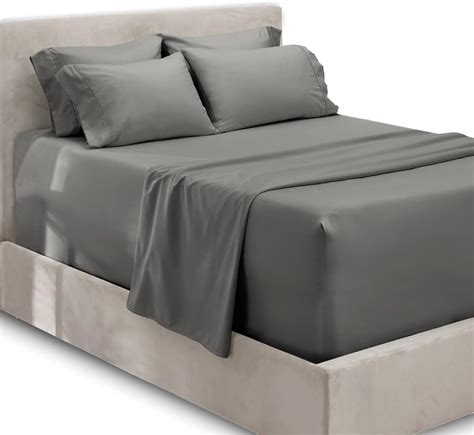
When Do You Need Deep Fitted Sheets for Your Mattress?
Deep fitted sheets are designed for mattresses that are too tall for standard fitted sheets, particularly pillow-top models or beds used with mattress toppers. The extra pocket depth allows the fabric to extend properly around the mattress edges, helping the sheet remain secure and creating a smoother sleeping surface without repeatedly slipping from the corners.
How Do You Know If You Need a Deeper Sheet?
Mattress depth is the deciding factor. Two mattresses with the same length and width can require different fitted sheets because their heights vary.
Before buying, measure from the top surface of the mattress to its lowest edge. Include any mattress topper or padded layer that remains permanently on the bed.
A deeper fitted sheet may be appropriate when:
- Standard fitted sheets repeatedly lift at the corners
- The mattress has a substantial pillow-top
- A thick mattress topper is regularly used
- The sheet feels excessively stretched when fitted
- The sides of the mattress remain exposed
Avoid simply choosing the deepest pocket available. Excess fabric can bunch or wrinkle if the sheet is considerably larger than required.
Do Deep Fitted Sheets Stay on the Bed Better?
Pocket depth helps, but it is not the only factor affecting fit. Sheet dimensions, elastic quality and construction are equally important.
A well-sized sheet should wrap securely around the mattress without requiring excessive force. Elastic around the perimeter can help maintain consistent tension, particularly for sleepers who move frequently during the night.
If sheets continually come loose, measure the mattress before assuming that deeper pockets alone will solve the problem.
Which Fabric Should You Choose?
The best material depends on the sleeping feel you prefer and the conditions in your bedroom.
Cotton
Cotton is a versatile option valued for its breathability and familiar feel. Different weaves can produce anything from a crisp surface to a smoother finish.
Linen
Linen can suit sleepers who prioritise airflow and a naturally textured feel. It also tends to develop a softer character through repeated washing and use.
Flannel
For cooler conditions, flannel provides a warmer surface because of its brushed texture. It can be particularly appealing during winter.
Bamboo-Derived Fabrics
Sheets made from fibres derived from processed bamboo can have a soft, smooth feel. Fibre composition and manufacturing methods differ, so check the product label rather than relying solely on the word ‘bamboo’.
Does Thread Count Matter?
Thread count is useful information, but it should not determine your purchase on its own.
Fibre quality, yarn construction and weave can have a significant influence on comfort and durability. A well-constructed lower-thread-count fabric may perform better than a poorly made sheet carrying an exceptionally high thread-count claim.
Consider the complete specification, including material, weave, stitching and care requirements.
Can Deep Sheets Improve the Appearance of Your Bed?
Properly sized deep fitted sheets can create a neater appearance because the corners sit securely beneath a taller mattress rather than pulling upwards.
They are available in a broad range of colours, fabrics and finishes, making it straightforward to coordinate them with quilt covers, pillowcases and other bedroom furnishings.
Fit should still come before appearance. Even an attractive sheet can become frustrating if its pocket dimensions do not match the mattress.
Are Deep Fitted Sheets Better for Allergies?
A deeper or tighter-fitting sheet should not be treated as an allergy solution. Dust mites and other allergens can still be present in bedding and mattresses regardless of sheet depth.
Regular laundering, appropriate mattress protection and good bedroom hygiene are more relevant considerations. People experiencing persistent allergy symptoms should seek appropriate professional advice rather than relying on bedding claims alone.
How Should You Care for Deeper Fitted Sheets?
Care requirements depend primarily on the fabric rather than pocket depth. Always check the manufacturer’s instructions before washing or drying.
To help maintain the sheet and its elastic:
- Avoid unnecessarily high washing temperatures
- Use detergent appropriate for the fabric
- Do not overload the washing machine
- Dry according to the care label
- Avoid excessive heat where it may affect elastic
- Store sheets completely dry
Rotating between multiple sets can also reduce the frequency of wear on any single sheet.
FAQs
How do I measure mattress depth?
Measure vertically from the highest point of the mattress to the bottom edge. Include a mattress topper if it remains on the bed when the sheet is fitted.
Are all deep fitted sheets the same depth?
No. Pocket measurements vary between products, so always compare the stated sheet depth with your mattress measurement before purchasing.
Can I use a deep fitted sheet on a standard mattress?
Possibly, but an excessively deep sheet may leave surplus fabric that wrinkles or moves during use. A closer match generally provides a neater fit.
Choose Depth Before Design
The main reason to choose deep fitted sheets is simple: your mattress requires additional pocket depth. Measure the mattress accurately, account for permanent toppers and then compare materials, elastic construction and care requirements.
Getting those practical details right can reduce slipping and bunching while giving a deeper mattress a cleaner, more secure finish.