
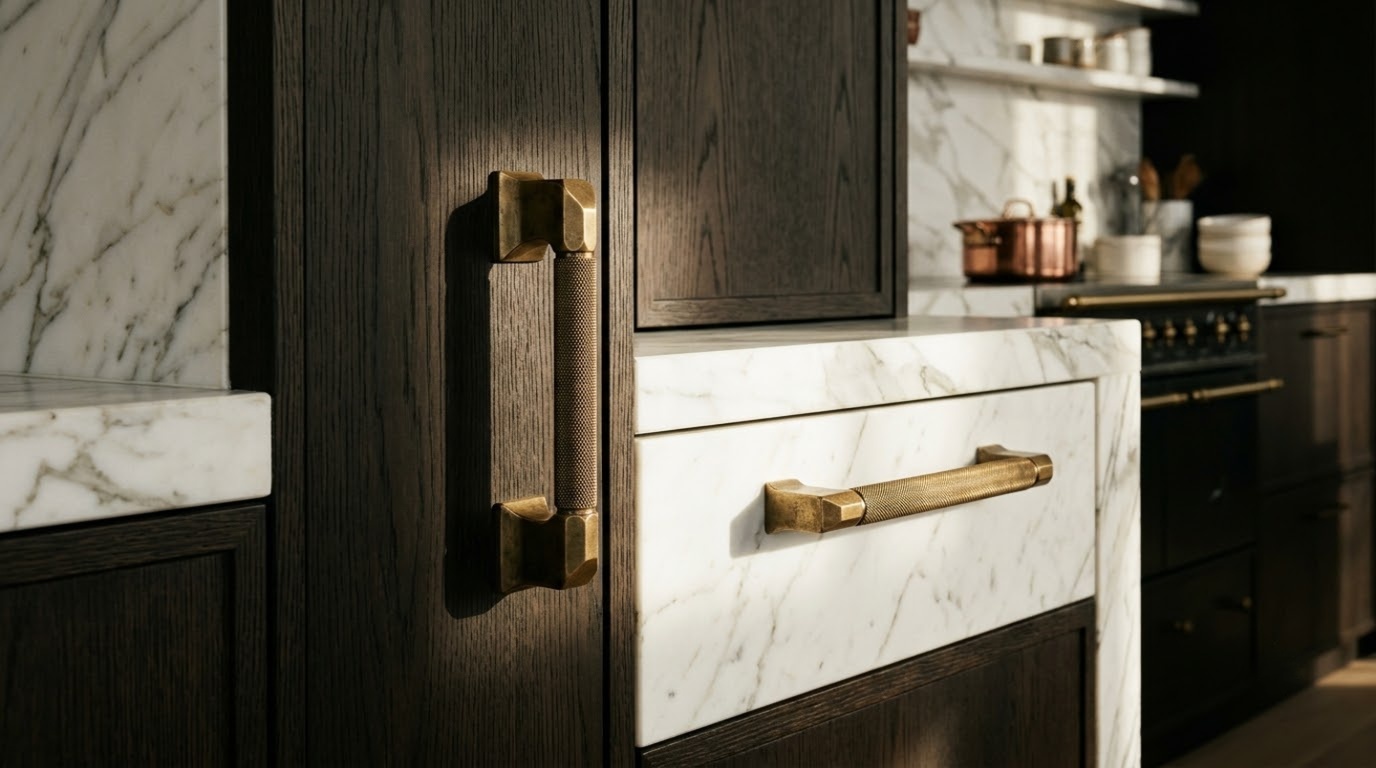
What Should You Consider When Choosing Architectural Cabinet Handles?
Cabinet hardware can have a strong influence on the appearance and usability of kitchens, bathrooms, offices, wardrobes, and commercial interiors. While handles are small components, they are used frequently and contribute to the overall character of a space. Choosing architectural cabinet handles requires attention to design, proportions, materials, finishes, comfort, and installation requirements.
Why Are Cabinet Handles Important?
Cabinet handles provide a practical point of contact for opening doors and drawers while contributing to the visual style of cabinetry. In a carefully designed interior, hardware can complement other details such as door handles, taps, lighting fixtures, and appliances.
The right handle should suit the cabinet design without making everyday use difficult. Factors such as cabinet size, door thickness, frequency of use, and the available mounting space can influence the selection.
What Styles Are Available?
Cabinet hardware is available in many styles to suit different interior designs. Bar handles are popular for contemporary spaces because their simple lines can complement modern cabinetry. Knob-style handles can provide a more traditional appearance and work well on smaller cabinet doors.
Recessed and edge-pull designs offer a minimalist alternative, while decorative handles can introduce additional character to classic or customised interiors.
The choice should reflect the overall design rather than being considered separately from the cabinetry.
How Do You Select the Right Size?
Proportion is an important consideration when choosing cabinet hardware. A handle that is too small may look out of place on a large drawer, while an oversized handle can overwhelm a compact cabinet door.
For replacement projects, check the existing hole spacing before purchasing new hardware. For new cabinetry, handle placement can be planned during the design stage.
Longer handles can be useful on wide drawers because they provide several possible grip positions, while smaller handles may suit compact storage areas.
Which Materials Are Suitable?
Cabinet handles can be manufactured from materials such as stainless steel, brass, aluminium, zinc alloys, and other metals. The appropriate material depends on the environment, expected usage, design preferences, and maintenance requirements.
In areas exposed to moisture, selecting a suitable corrosion-resistant material and finish can be particularly important. High-use commercial environments may also require hardware designed for frequent handling.
Always consider the manufacturer’s specifications when selecting hardware for a particular application.
Choosing the Right Finish
The finish can significantly affect the overall appearance of cabinet hardware. Options may include brushed stainless steel, polished chrome, matte black, brass, bronze, and other finishes.
A coordinated finish can help connect cabinetry with other fixtures throughout a room. Matching every item is not essential, but the combination should look intentional.
When comparing finishes, consider how the surface will respond to fingerprints, moisture, cleaning products, and everyday wear.
Comfort and Ergonomics
A handle should be comfortable to grip and easy to operate. The distance between the handle and cabinet surface can affect how easily users can place their fingers around it.
Rounded edges and suitable profiles may provide a more comfortable experience during repeated use. In commercial settings, where cabinets may be opened frequently, ergonomic considerations can become even more important.
Installation Considerations
Correct installation helps maintain both appearance and performance. Handles should be aligned accurately, with fixings suitable for the cabinet material and thickness.
For multiple cabinets, consistent positioning can create a clean and professional appearance. Templates or accurate measurements can help maintain even spacing across doors and drawers.
Before drilling, check the cabinet construction and confirm that the selected fixing hardware is appropriate.
Maintenance and Long-Term Care
Regular cleaning can help preserve the appearance of cabinet hardware. A soft cloth and a suitable cleaning solution are generally preferable to abrasive materials that could scratch the finish.
Loose fixings should be tightened when necessary, while damaged or corroded hardware should be assessed and replaced where appropriate.
Conclusion
Architectural cabinet handles can combine practical functionality with an important design element. When selecting hardware, consider style, dimensions, material, finish, comfort, installation, and the conditions in which the cabinets will be used. A well-planned choice can help create cabinetry that is convenient to use and visually consistent with the surrounding interior.