
Why Are Mobile Site Sheds Essential For Modern Construction And Work Sites?
Managing a busy worksite requires more than just tools and labour. Organisation, safety, and proper facilities play a major role in ensuring smooth operations. Portable structures have become a practical solution for handling these needs, and mobile site sheds are now widely used across different industries for their flexibility and convenience.
What are mobile site sheds and how do they function?
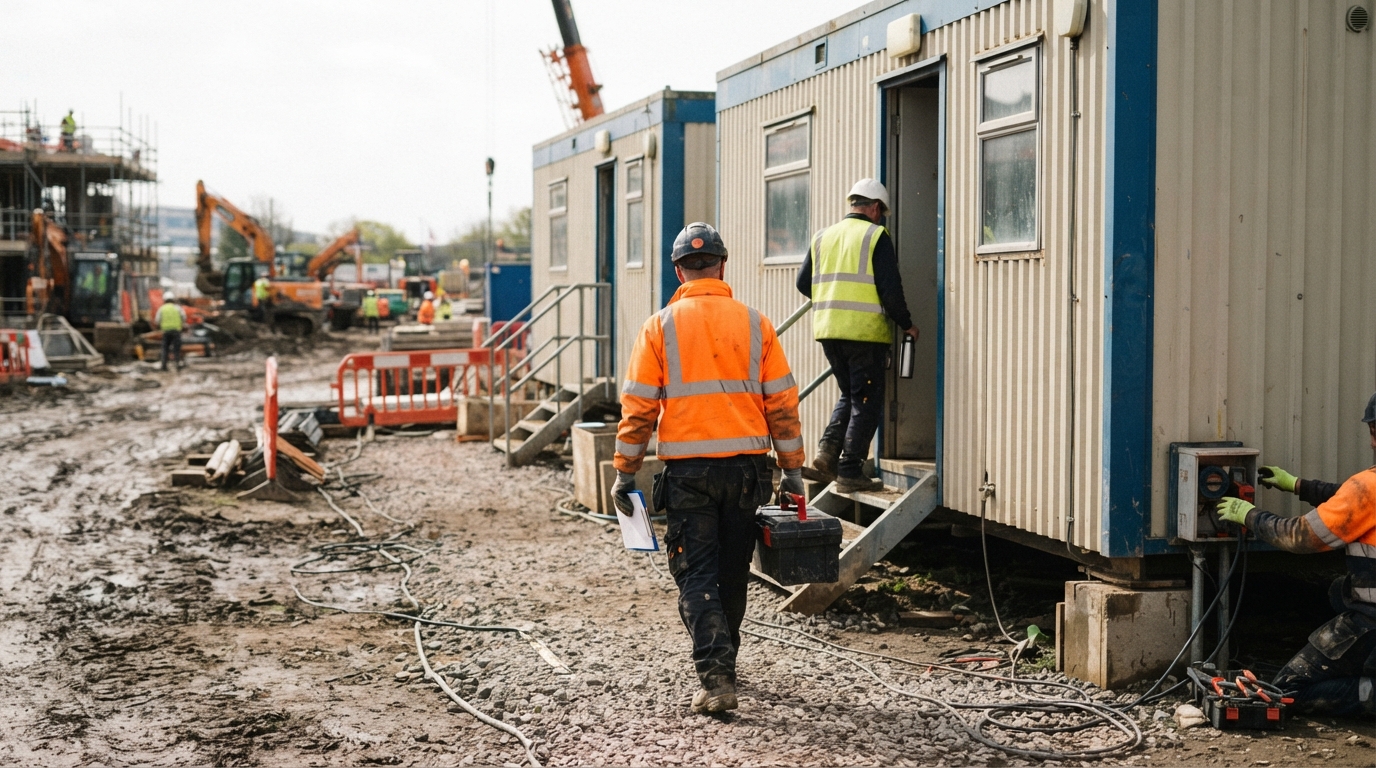
Mobile site sheds are portable units designed to provide temporary spaces on worksites. They can serve multiple purposes, including site offices, storage areas, lunchrooms, or meeting spaces. These sheds are pre-built and delivered directly to the site, making setup quick and hassle-free.
Their design focuses on durability and functionality. Most units come equipped with basic features such as lighting, ventilation, insulation, and secure doors. Depending on requirements, they can also include electrical fittings, windows, and internal partitions.
Because they are not permanent structures, they can be easily relocated, making them suitable for projects that change locations or expand over time.
How do mobile site sheds improve efficiency on-site?
Efficiency is one of the biggest challenges on any project. Having dedicated spaces for different tasks helps streamline operations and reduces confusion. Mobile site sheds create organised areas where teams can manage paperwork, store equipment, or take breaks.
A designated office space allows supervisors to focus on planning and communication without interruptions. Similarly, proper storage units protect tools and materials from damage, which helps avoid delays caused by missing or damaged items.
Providing workers with a clean and comfortable rest area also supports better productivity. When workers have access to basic facilities, it improves morale and helps maintain consistent performance throughout the day.
Are mobile site sheds a cost-effective solution?
Cost management is always a priority for businesses. Constructing permanent facilities for temporary projects can be expensive and time-consuming. Portable sheds offer a more affordable alternative without compromising functionality.
Using mobile site sheds allows businesses to avoid long-term investments while still meeting operational needs. They can be used for the duration of the project and then removed or relocated as required. This flexibility helps control expenses and ensures resources are used efficiently.
Additionally, the quick installation process reduces downtime, allowing projects to start and continue without unnecessary delays.
What features should you consider when choosing a site shed?
Selecting the right shed depends on the nature of the project. Size and layout are important factors, as they determine how the space will be used. For example, an office setup may require desks and storage, while a lunchroom needs seating and basic amenities.
Durability is another key factor, especially for sites exposed to harsh weather conditions. Insulation and ventilation help maintain a comfortable environment, while proper lighting ensures usability throughout the day.
Security should also be considered. Lockable doors and strong construction materials help protect valuable equipment and documents stored inside the shed.
How easy is it to install and relocate site sheds?
One of the main advantages of portable sheds is their ease of installation. Since they are pre-fabricated, they can be delivered and set up quickly with minimal site preparation. This helps projects begin faster and reduces initial setup challenges.
Relocation is equally simple. As work progresses or moves to a new location, the sheds can be transported without significant effort. This adaptability makes them ideal for industries where mobility is essential.
Conclusion
Mobile site sheds have become a reliable solution for creating functional and organised workspaces on temporary sites. Their flexibility, ease of use, and cost-efficiency make them suitable for a wide range of projects. By providing dedicated spaces for work, storage, and rest, they help improve overall productivity and ensure smoother day-to-day operations.