
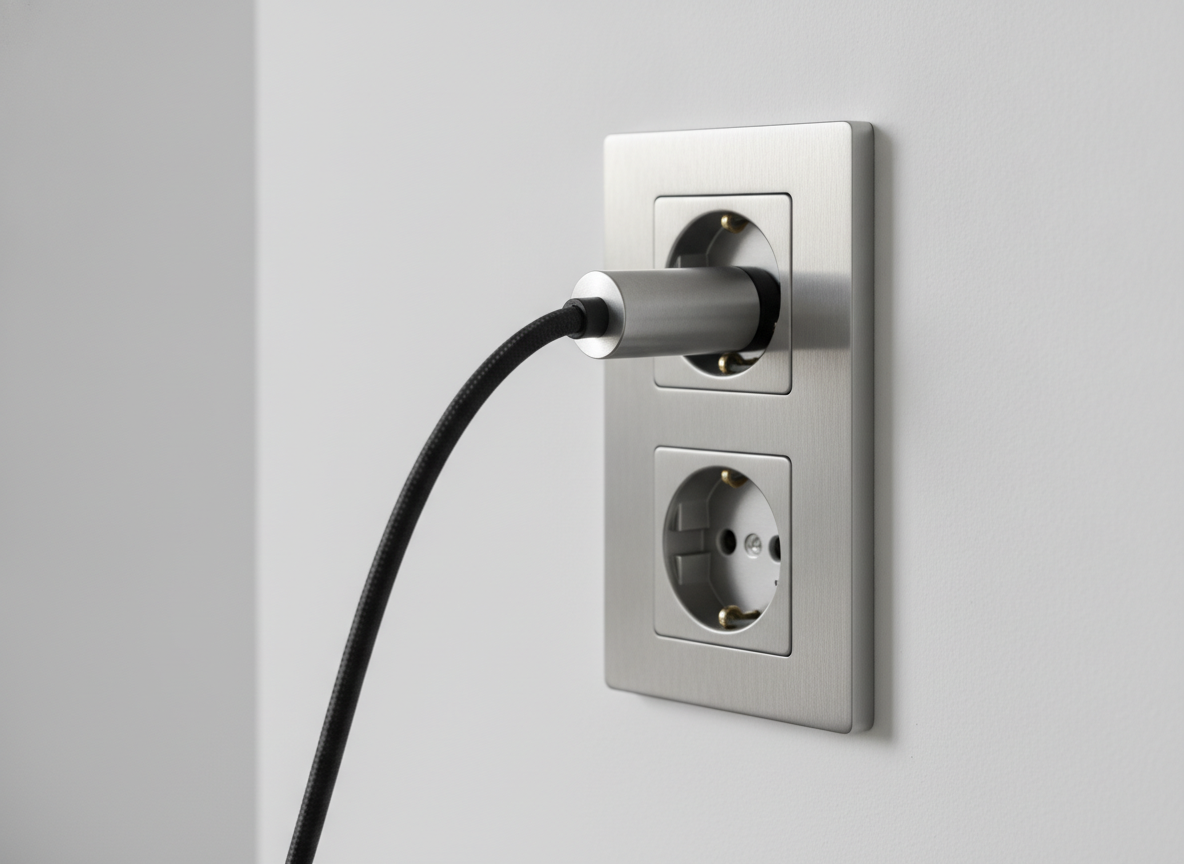
Why Is Wall Socket Power More Important Than It Appears In Modern Spaces?
Power points are often overlooked during planning, yet they play a critical role in how homes and commercial spaces function. From charging devices to running essential appliances, wall socket power is something used daily without much thought until it becomes inconvenient or insufficient.
How Has Power Usage Changed in Recent Years?
Think about how many devices are used today compared to a decade ago. Laptops, smartphones, smart TVs, kitchen appliances, and office equipment all rely on accessible power sources. Modern living has increased the demand for multiple outlets in convenient locations.
This shift means older properties may struggle to keep up, especially if they were designed with fewer electrical points. Updating layouts or adding additional sockets can significantly improve usability.
Are All Wall Sockets the Same?
Not quite. While they may look similar, wall sockets can vary in capacity, safety features, and functionality. Some include USB charging ports, while others are designed for heavy-duty appliances.
Choosing the right type depends on where it will be installed. Kitchens, for instance, often require higher capacity outlets, while bedrooms may benefit from integrated USB options for easy charging.
What Safety Considerations Should Be Kept in Mind?
Electrical safety is essential in any environment. Poorly installed or outdated sockets can pose risks such as overheating or electrical faults. In Australia, installations must comply with strict safety standards to ensure protection.
Features like safety switches, surge protection, and proper grounding help reduce potential hazards. Regular inspections can also identify wear and tear before it becomes a problem.
How Does Placement Affect Everyday Convenience?
Placement is just as important as the number of sockets. Poor positioning can lead to cluttered cables, limited accessibility, and frustration when plugging in devices.
Strategic placement—such as near workstations, bedside tables, or kitchen benches—can improve both functionality and aesthetics. It also reduces reliance on extension cords, which can create trip hazards.
Can Smart Technology Enhance Power Access?
Smart homes are becoming more common, and power solutions are evolving alongside them. Smart sockets allow remote control, energy monitoring, and scheduling through mobile apps.
These features can improve energy efficiency and provide greater control over electricity usage, especially in larger homes or commercial environments.
Is Upgrading Worth the Investment?
Upgrading electrical fittings might not seem like a priority, but it can make a noticeable difference in daily comfort and efficiency. Modern sockets offer better safety, improved design, and greater convenience.
For businesses, updated power solutions can support equipment needs and create a more functional workspace. For homes, it enhances lifestyle convenience and future-proofs the property.
How Can Energy Efficiency Be Improved?
Energy efficiency is an increasing concern across Australia. Choosing energy-efficient appliances is one step, but managing how power is accessed also matters.
Turning off unused devices, using smart plugs, and ensuring proper wiring can help reduce unnecessary energy consumption. Small changes can lead to noticeable savings over time.
Conclusion
Power access is no longer a minor detail; it’s a fundamental part of how spaces operate every day. From safety and convenience to supporting modern technology, the role of wall socket power continues to grow in importance. Thoughtful planning, proper installation, and smart upgrades can transform how efficiently a space functions, making it more practical, safe, and ready for future demands.