How Can Shop Fitouts Turn A Simple Store Into A Memorable Customer Experience?
Shop fitouts are no longer just about arranging shelves and counters—they shape how customers feel the moment they enter. In today’s competitive retail environment, first impressions can make or break a sale. A thoughtfully designed space creates comfort, encourages browsing, and builds trust. Could a well-planned environment actually influence how long customers stay and how much they spend? The answer often lies in the way a space connects visually and emotionally with visitors.
How do shop fitouts guide customer behaviour?
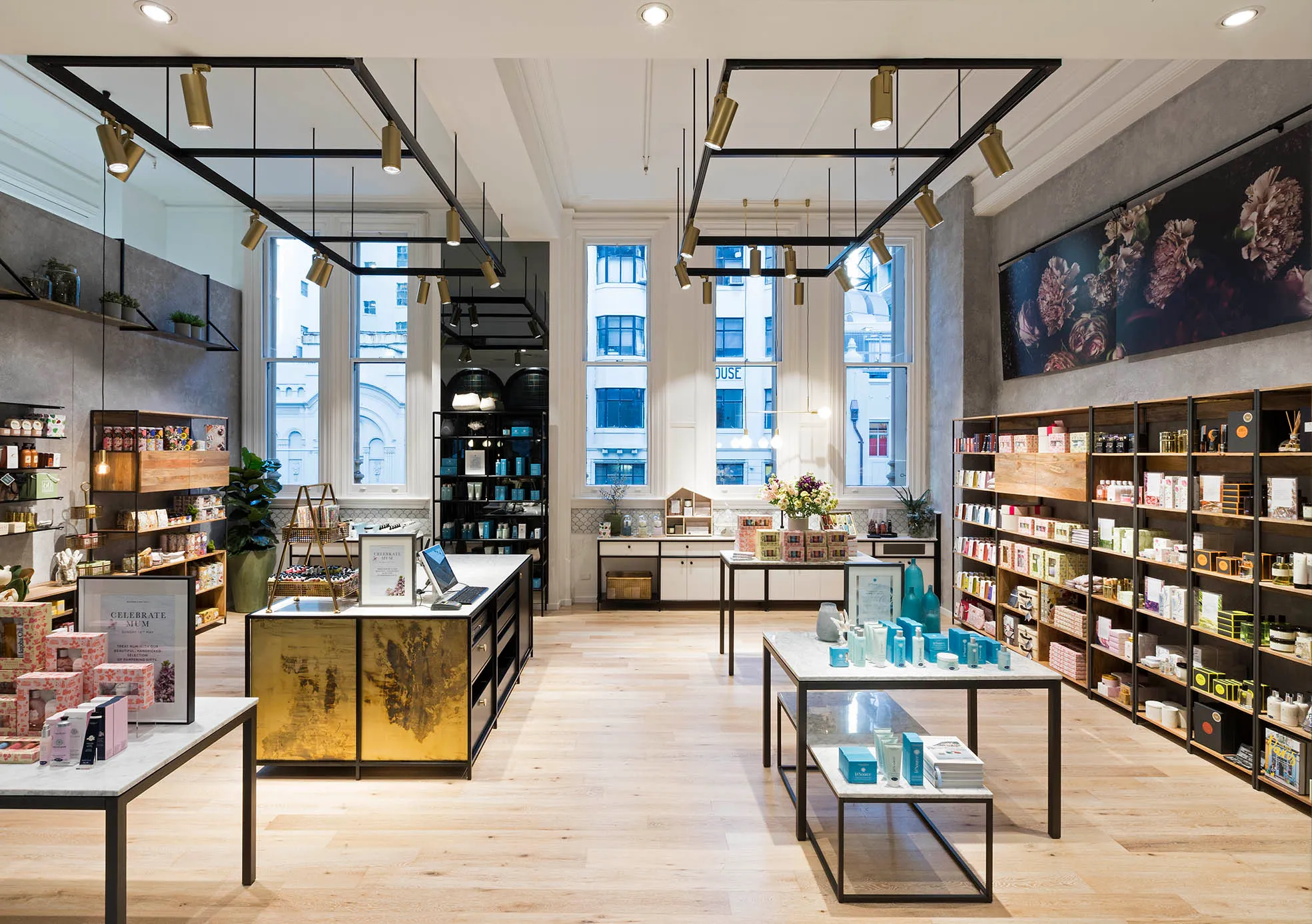
The layout of a store can subtly direct how people move and interact with products. Shop fitouts that consider flow, spacing, and visibility can encourage customers to explore more areas of the store. Strategic placement of displays and pathways helps avoid congestion while maximising exposure to key products. Could the right layout turn a quick visit into a longer, more engaging shopping experience? Small design choices often have a big impact on customer behaviour.
What role does lighting play in retail environments?
Lighting is one of the most powerful yet overlooked elements in a shop. Bright lighting can highlight featured products, while softer tones can create a relaxed and inviting atmosphere. The right balance enhances visibility and draws attention to specific areas. Could lighting alone influence purchasing decisions? In many cases, it helps shape mood and focus, guiding customers toward particular products.
How can materials and finishes reflect brand identity?
Every detail in a retail space contributes to the brand story. Materials such as timber, metal, or glass can communicate different styles, from warm and traditional to sleek and modern. Colours, textures, and finishes all play a role in reinforcing brand identity. Could a consistent design language make your business more recognisable and memorable? A cohesive look helps customers connect with your brand on a deeper level.
Why is flexibility important in modern retail design?
Retail trends change quickly, and stores need to adapt. Flexible layouts with movable fixtures and modular displays allow businesses to update their space without major renovations. Could designing for adaptability save time and costs in the long run? A flexible fitout ensures your store remains relevant and can easily respond to new products, promotions, or seasonal changes.
How does staff efficiency influence customer experience?
A well-designed store doesn’t just benefit customers—it also supports staff. Easy access to stock, organised workspaces, and efficient layouts allow employees to serve customers quickly and effectively. Could improving staff workflow lead to better customer service? When staff can operate smoothly, it creates a more positive and seamless shopping experience for everyone.
Conclusion
Shop fitouts are a powerful tool for shaping customer experiences and driving business success. From guiding customer movement to reflecting brand identity and improving staff efficiency, every design element plays a role. By focusing on layout, lighting, materials, and flexibility, businesses can create spaces that are both functional and visually appealing. A well-executed fitout transforms an ordinary store into an engaging environment that encourages customers to return time and time again.