Why Is A Lymphoedema Compression Garment Essential For Daily Management?
Managing lymphoedema effectively requires consistent care and the right supportive tools. Among the most important components of treatment is the use of a lymphoedema compression garment, which helps control swelling and maintain limb shape. Without proper compression, fluid can quickly re-accumulate, leading to discomfort and potential complications. Therefore, wearing the correct garment plays a vital role in long-term condition management and overall quality of life.
What Is a Lymphoedema Compression Garment?
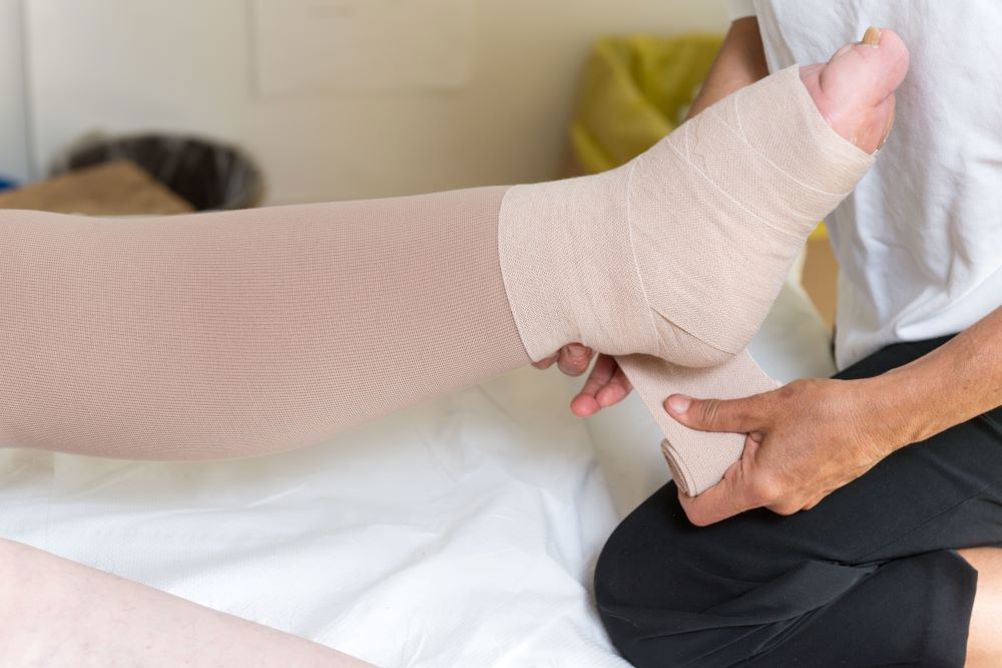
A lymphoedema compression garment is a specially designed piece of clothing that applies controlled pressure to affected areas of the body. This pressure helps move lymphatic fluid and prevents it from pooling.
Common types include:
- Compression sleeves for arms
- Stockings for legs
- Gloves or gauntlets for hands
- Custom garments for specific body areas
As a result, these garments support proper circulation and reduce visible swelling.
How Does Compression Help Reduce Swelling?
Compression works by applying graduated pressure, meaning it is tighter at one end and gradually decreases along the limb. This design encourages fluid to move in the correct direction.
Key benefits include:
- Promoting lymphatic drainage
- Preventing fluid build-up
- Reducing heaviness and discomfort
- Supporting tissue health
Because of this, compression garments are considered a cornerstone of lymphoedema treatment.
Why Is Proper Fit So Important?
An ill-fitting garment may not provide the correct level of pressure and could even worsen symptoms. Therefore, professional measurement and fitting are essential.
A properly fitted garment ensures:
- Even distribution of pressure
- Maximum comfort during wear
- Effective swelling control
- Reduced risk of skin irritation
Consequently, patients should always seek expert guidance when selecting a garment.
When Should Compression Garments Be Worn?
Consistency is key in lymphoedema management. Most individuals are advised to wear their compression garments daily, particularly during waking hours.
Typical usage guidelines include:
- Wearing garments throughout the day
- Removing them at night (unless otherwise advised)
- Using them during physical activity
- Wearing them while travelling
As a result, regular use helps maintain stable limb size and prevents sudden swelling increases.
Are There Different Levels of Compression?
Yes, compression garments come in varying pressure levels depending on the severity of lymphoedema and individual needs.
Compression levels are typically:
- Light compression for early or mild cases
- Moderate compression for ongoing management
- Higher compression for more advanced conditions
Therefore, selecting the correct level is essential for safe and effective treatment.
How Do You Care for a Compression Garment?
Proper care ensures the garment maintains its elasticity and effectiveness over time. Without regular maintenance, the material may lose its ability to apply consistent pressure.
Care tips include:
- Washing garments regularly with mild detergent
- Air drying to preserve elasticity
- Avoiding heat exposure
- Replacing garments as recommended
Because of this, maintaining garment quality is crucial for continued effectiveness.
Can Compression Improve Daily Comfort?
Yes, many individuals experience noticeable relief when wearing a lymphoedema compression garment. It reduces the sensation of heaviness and supports easier movement.
Comfort benefits include:
- Reduced limb fatigue
- Improved mobility
- Better support during activity
- Enhanced confidence in daily tasks
Consequently, compression garments contribute not only to physical health but also to emotional wellbeing.
What Happens If You Stop Wearing It?
Discontinuing use can lead to rapid fluid accumulation, especially in moderate to severe cases. This may result in increased swelling and discomfort.
Possible effects include:
- Return of limb enlargement
- Increased risk of infection
- Reduced effectiveness of previous treatments
- Greater difficulty managing symptoms
Therefore, consistent use is essential for maintaining results.
Why Professional Guidance Matters
Selecting and using a compression garment correctly requires professional input. A lymphoedema specialist ensures that the garment meets your specific needs.
Professional support includes:
- Accurate measurements
- Advice on compression levels
- Education on usage and care
- Monitoring changes in condition
As a result, patients can manage their lymphoedema with greater confidence and effectiveness.
Conclusion
A lymphoedema compression garment is a fundamental tool in managing swelling and maintaining long-term control of the condition. By supporting lymphatic flow, reducing fluid build-up, and improving comfort, it plays a central role in daily care. Moreover, proper fitting, consistent use, and regular maintenance ensure optimal results. Ultimately, investing in the right lymphoedema compression garment empowers individuals to manage their condition more effectively and live with greater ease.