
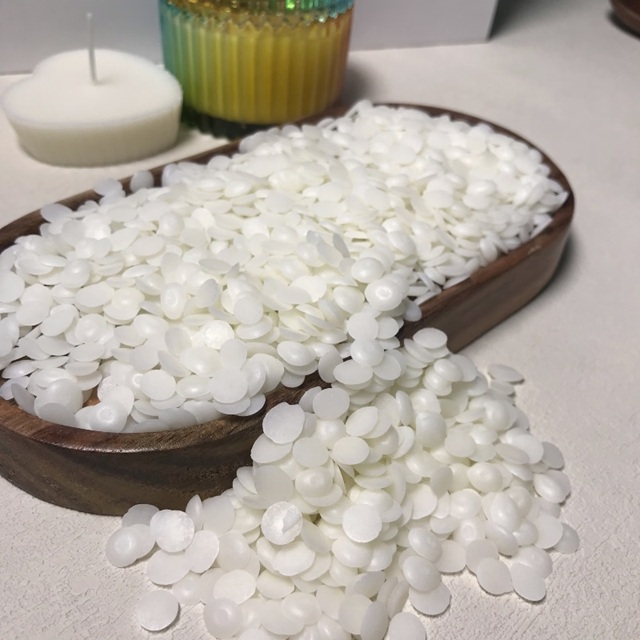
Soy Candle Wax: A Natural Choice for Clean and Sustainable Candle Making
Soft light, gentle fragrance, and a calm atmosphere often begin with the type of wax inside a candle. Among the many options available, soy candle wax has become a popular material for both beginners and experienced candle makers. Known for its plant-based origin and smooth finish, this wax offers a balance of performance, sustainability, and ease of use.
What Is Soy Candle Wax?
Soy candle wax is derived from soybean oil. After harvesting, soybeans are cleaned, cracked, and processed to extract oil. The oil then undergoes hydrogenation, transforming it into a solid form suitable for candle production. The result is a creamy, off-white wax that blends well with fragrance oils and dyes.
Because soybeans are a renewable crop, candle wax is considered a more environmentally conscious alternative to paraffin wax, which is petroleum-based.
Key Characteristics of Soy Candle Wax
1. Clean Burning
Soy candle wax generally produces less soot compared to paraffin wax when properly wicked and maintained. This can help reduce residue buildup on containers and surrounding surfaces.
2. Longer Burn Time
Soy wax typically burns slower due to its lower melting point. A slower burn often results in extended candle life, making it suitable for container candles and everyday use.
3. Strong Fragrance Retention
Soy candle wax blends effectively with fragrance oils. When cured correctly, it can deliver a consistent scent throw, both when unlit (cold throw) and during burning (hot throw).
4. Smooth Appearance
The wax cools with a smooth, creamy texture, which works well in glass jars and tins. However, natural variations such as frosting may occur. Frosting appears as white crystalline patterns and does not affect performance.
Types of Soy Candle Wax
Different formulations exist depending on the candle style:
- Container Soy Wax – Designed for jar candles, offering good adhesion and smooth tops.
- Pillar Soy Wax Blends – Often combined with other natural waxes to improve firmness for freestanding candles.
- Soy Wax Blends – Mixed with coconut wax, beeswax, or small amounts of paraffin to enhance performance characteristics.
Choosing the correct type depends on the intended candle shape, fragrance load, and climate conditions.
Benefits of Using Soy Candle Wax
- Made from renewable plant sources
- Biodegradable and easy to clean with warm water
- Lower melting point, making it beginner-friendly
- Compatible with various fragrance oils and natural dyes
Soy wax is widely used in home candle crafting due to its simplicity and adaptability.
Tips for Working With Soy Candle Wax
- Melt wax gently using a double boiler method.
- Add fragrance oil at the recommended temperature, usually between 60–85°C depending on manufacturer guidance.
- Allow candles to cure for at least 1–2 weeks to improve scent performance.
- Trim wicks to about 5 mm before each burn for a cleaner flame.
Proper testing of wick size and fragrance percentage helps achieve optimal burn quality.
FAQs About Soy Candle Wax
1. Is soy candle wax better than paraffin wax?
Soy candle wax is plant-based and renewable, while paraffin is petroleum-derived. Many people choose soy for its cleaner burn and sustainability factors.
2. Does soy wax hold fragrance well?
Yes, soy wax can hold fragrance effectively when used within recommended load limits and cured properly.
3. Why does soy wax sometimes look frosty?
Frosting is a natural occurrence caused by crystal formation. It does not impact scent or burn performance.
4. Can soy candle wax be used for pillar candles?
Pure soy wax is softer and works best in containers. Pillar candles often require soy blends for added firmness.
5. Is soy candle wax eco-friendly?
Since it is derived from soybeans, a renewable crop, it is generally considered more environmentally friendly than petroleum-based waxes.
Soy candle wax continues to be a practical and natural option for candle making. Its renewable origin, smooth finish, and reliable performance make it suitable for a wide range of candle styles and applications.