
The Benefits and Considerations of Installing a Glass Pool Fence
Glass pool fencing has gained popularity across Australia as a stylish and functional option for pool safety. With its clean lines and unobstructed views, this fencing style not only enhances the look of a pool area but also meets safety regulations when installed to the appropriate standards. For homeowners and property developers alike, understanding the features and requirements of glass pool fences is essential before installation.
Aesthetics and Visual Appeal
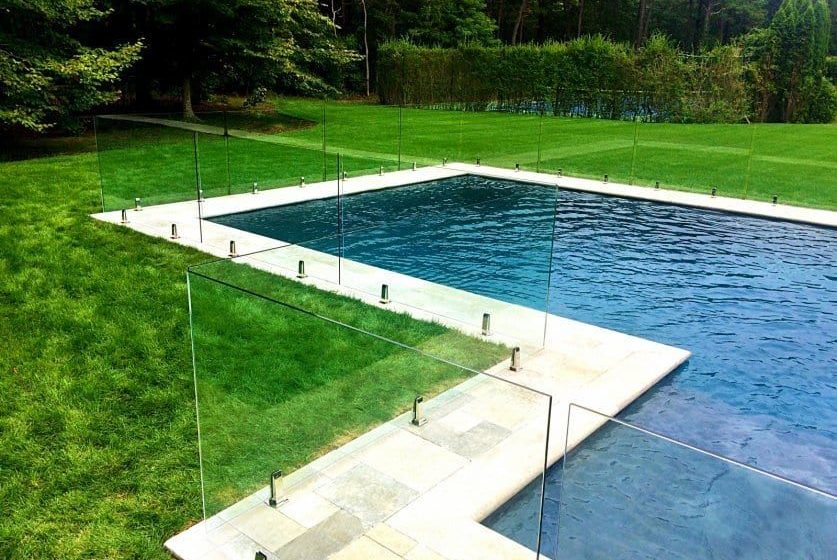
One of the standout features of a glass pool fence is its minimal visual impact. Unlike traditional metal or wooden fencing, glass allows full visibility into the pool area, making the space feel more open and connected to its surroundings. This is particularly beneficial in landscaped gardens or properties with scenic views. Frameless glass panels, in particular, provide a sleek and modern appearance that complements contemporary architecture.
Compliance with Safety Regulations
In Australia, pool fencing is a legal requirement for any residential pool to prevent unsupervised access and reduce the risk of drowning, particularly for children. Glass pool fences are designed to comply with Australian safety standards, which mandate fence height, panel spacing, gate functionality, and strength requirements. When installed correctly, a glass pool fence serves as a compliant and reliable barrier without compromising on style.
Material Quality and Durability
The panels used in glass pool fences are typically made from toughened safety glass. This type of glass is heat-treated to increase its strength, making it highly resistant to impacts. In the unlikely event that a panel breaks, it shatters into small, blunt pieces rather than sharp shards, reducing the risk of injury. Stainless steel or aluminium fittings are often used for supporting posts and hinges, ensuring long-term durability even in harsh outdoor environments.
Maintenance Requirements
Glass pool fencing does require some level of maintenance to retain its clear, polished look. Regular cleaning with water and a mild detergent is often enough to remove water spots, grime, or fingerprints. Special glass coatings can also be applied during installation to reduce cleaning frequency by making the surface more resistant to dirt and water stains.
Cost Considerations
The cost of installing a glass pool fence is generally higher than other fencing materials, such as timber or tubular steel. However, many choose this option for the added aesthetic value and the long-term benefits it provides. Factors influencing the overall cost include the type of glass used (frameless or semi-frameless), the number of panels required, site conditions, and any additional features like self-closing gates or custom fittings.
Installation Factors
Proper installation is critical for both safety and appearance. Each panel must be secured accurately to ensure the structure is stable and meets compliance. Ground level, slope, and proximity to the pool edge can all influence how the fence is set up. In most cases, professional installers are recommended due to the precision required and the need to meet local building codes.
Conclusion
Glass pool fencing offers a balance between elegance and function. By maintaining visibility, adhering to safety laws, and enhancing the overall design of a pool area, it stands out as a premium choice for Australian properties. While it involves a greater upfront investment, the long-term aesthetic and safety benefits often justify the cost