

























How Can Telehandler Hire In Sydney Improve Site Efficiency?
Telehandlers are versatile machines commonly used across construction, agriculture, landscaping, warehousing, and industrial projects. Their combination of lifting capacity, reach, and manoeuvrability makes them useful for moving materials across challenging worksites. For businesses that need specialised lifting equipment for a temporary project, hiring can be a practical alternative to purchasing machinery.
Telehandler hire in Sydney provides access to equipment without requiring businesses to take on the long-term costs of ownership. Choosing the correct machine based on the site’s requirements can improve workflow, material handling, and overall project planning.
What Is a Telehandler?
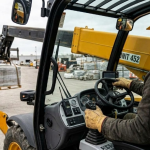
A telehandler, or telescopic handler, is a mobile machine fitted with a telescopic boom that can extend forwards and upwards. Attachments can be fitted to the boom for different applications, making the machine adaptable to various material-handling tasks.
Depending on the model and attachment, a telehandler may be used to lift pallets, move construction materials, load or unload supplies, and position items at elevated locations.
Its versatility makes it particularly useful when a project involves several different material-handling requirements.
Where Are Telehandlers Commonly Used?
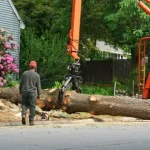
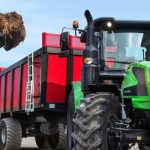
Telehandlers can be found on construction sites, commercial developments, agricultural properties, landscaping projects, and industrial facilities. They are useful where materials need to be moved across a worksite or positioned at height.
Construction teams may use them for handling bricks, timber, roofing materials, equipment, and pallets. Landscaping projects can also benefit from their ability to move soil, materials, and other heavy loads when the appropriate attachment is available.
The exact application depends on the machine’s capacity, reach, terrain suitability, and attachment.
What Are the Benefits of Hiring a Telehandler?
Hiring equipment can provide greater flexibility for businesses with short-term or project-specific machinery requirements. Purchasing a telehandler involves a significant investment and may also create ongoing expenses related to servicing, storage, insurance, and maintenance.
A hire arrangement allows businesses to select equipment for the required period. This can be useful when workload levels change or when specialised machinery is only needed for a particular stage of a project.
Hiring may also provide access to different machine sizes, allowing contractors to select equipment according to the project’s specific lifting and reach requirements.
How Should the Right Machine Be Selected?
Selecting a telehandler requires careful consideration of the worksite and the task. The maximum lifting capacity is important, but it is not the only factor that matters.
Businesses should consider:
- Required lifting height
- Maximum load weight
- Horizontal reach
- Attachment requirements
- Ground and terrain conditions
- Available operating space
- Site access
- Transport requirements
- Project duration
- Operator requirements
A machine should be capable of safely handling the intended load at the required height and reach. Reviewing the manufacturer’s specifications before operation is essential.
What Attachments Can Be Used?
One of the key advantages of telehandlers is their ability to work with different attachments. Depending on the model, attachments may include forks, buckets, lifting accessories, or work platforms.
The appropriate attachment depends on the task. Forks may be suitable for pallets, while buckets can be useful for moving loose materials. Attachments should always be compatible with the machine and used according to the manufacturer’s instructions.
What Safety Measures Are Important?
Telehandler operation requires proper planning and trained personnel. Before starting work, operators should assess the site for uneven surfaces, overhead hazards, nearby structures, power lines, pedestrians, and other potential risks.
Load limits must be followed, and loads should be positioned and secured appropriately. Regular equipment inspections can also help identify issues before machinery is used.
Only trained and authorised operators should operate the equipment in accordance with applicable workplace safety requirements.
Can Hiring Help Manage Project Costs?
Hiring can help businesses avoid the capital expense associated with purchasing specialised lifting machinery. It can also reduce the need for permanent storage and long-term maintenance arrangements.
For businesses that use telehandlers occasionally, hiring equipment according to project requirements can provide a more flexible approach to machinery management. Comparing hire periods, transport costs, equipment specifications, and additional charges can help create a clearer picture of the overall expense.
Conclusion
Telehandlers can support a wide range of lifting and material-handling activities when the right machine and attachment are selected. Businesses should assess load requirements, reach, site conditions, operating space, and safety considerations before arranging equipment. Telehandler hire in Sydney can provide flexible access to specialised machinery while avoiding the responsibilities associated with long-term ownership.
