
































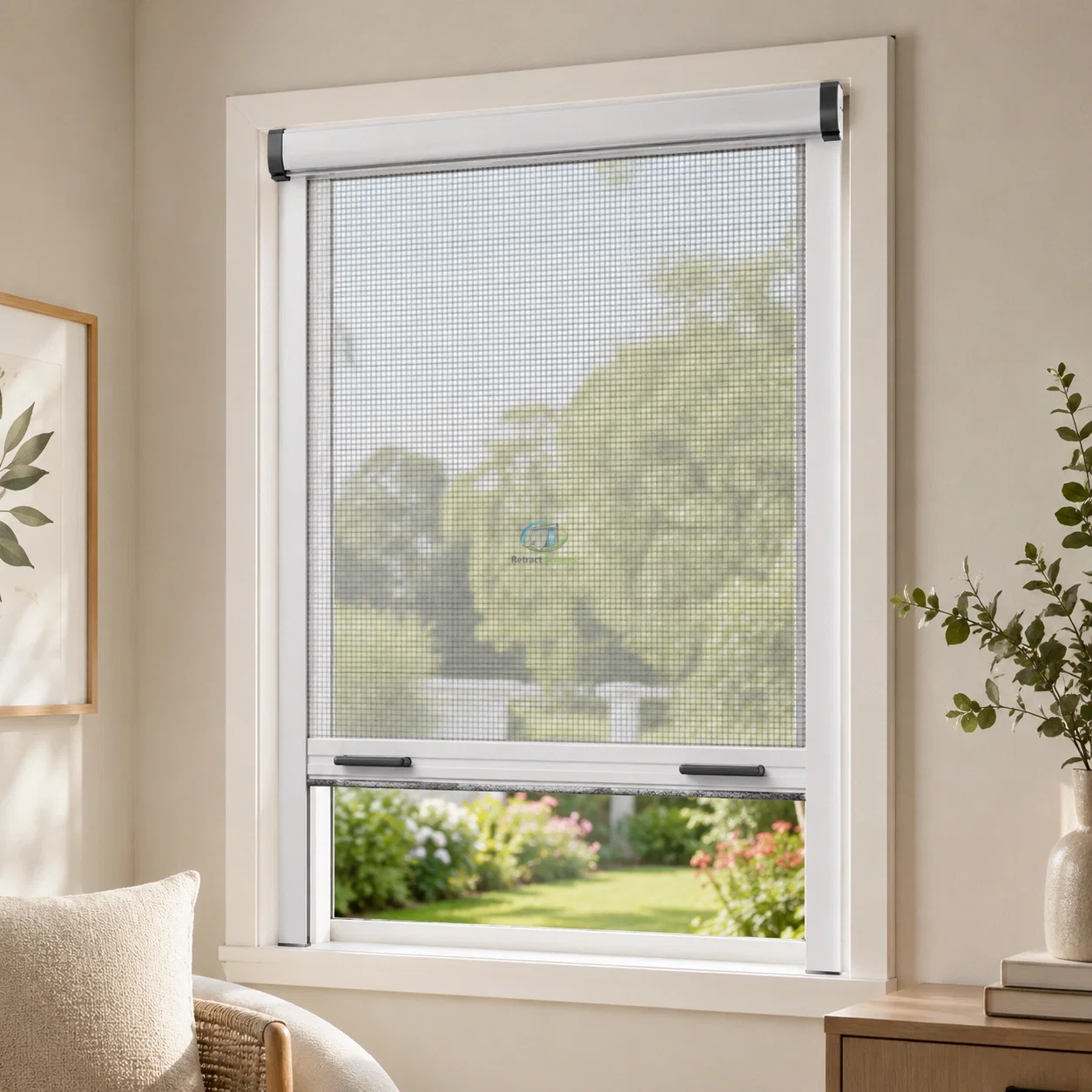
How To Maintain And Clean Your Roll Fly Screen For Maximum Efficiency
Roll fly screens are an effective way to keep insects and other unwanted pests out of your home. They can also help improve air ventilation while keeping the interior of your house cool during summer. But like any other window or door screening, roll-fly screens need regular maintenance in order to stay efficient and last longer. Here is a guide on how you can maintain and clean your roll fly screen for maximum efficiency:
Check For Damage
Before cleaning the roll fly screen, it’s important to check for any damage that may have occurred over time. Inspect all areas of the screen, such as its mesh material, frame, corners and joints, for signs of wear or tear. If you find any broken pieces or holes in the mesh material, then it’s best to replace them with new parts instead of attempting repairs yourself. This will ensure that your roll fly screen stays intact and works properly after cleaning.
Remove Dust And Debris
Dust particles often accumulate on both sides of the roll-up screen, which can reduce its effectiveness if not removed regularly. To clean these particles off, use a vacuum cleaner with soft brush attachments so that you don’t damage the mesh material when vacuuming near it. You may also want to wipe down both sides of the mesh with a damp cloth in order to remove dirt or stubborn debris from hard-to-reach places, such as crevices between frames or edges along joints where dust tends to collect more easily than in other areas.
Clean With Soap & Water Solution
After removing visible dirt, dust particles and debris from both sides of the rolling mosquito net, mix some liquid detergent into warm water until suds begin forming at the top surface before submerging a microfiber cloth into this solution. Gently scrub both side surfaces using this cloth but avoid putting too much pressure onto either side since doing so could cause further damage by stretching out fibres from within the fabric matrix. Once finished rinsing off soap residue using clear running water, then let dry completely under direct sunlight before reinstalling back onto the same window/door location.
Lubricate Moving Parts
Once done cleaning the entire unit, including moving parts (e.g., lock mechanism), apply a few drops of lubricating oil around hinges joints so that they remain working smoothly without getting stuck when opening/closing roller shutters. Especially during hot, humid summers, rust formation is more likely due to corrosion caused by moisture buildup inside metal components.
Reinstall Roll Fly Screen Properly
Before reinstalling the roll fly screen, make sure that both sides have been cleaned and dried off completely, then follow the instructions provided by the manufacturer when attaching them back onto the window/door frame. Ensure that joints are securely locked into place using screws or other fastenings before testing out functionality, such as the opening/closing mechanism works without any problems – if not, then repeat the lubrication step until satisfied.
Conclusion
Roll fly screens can be an effective way to keep pests out of your home while also improving air ventilation and temperature regulation during the hot summer months. It’s important to maintain them regularly to ensure maximum efficiency, which includes checking for damage, removing dust & debris, cleaning with a soap & water solution, lubricating moving parts as well as reinstalling properly back into their original location. Following these steps will help you extend your roll fly screen’s life expectancy while ensuring they continue working all year round efficiently.